
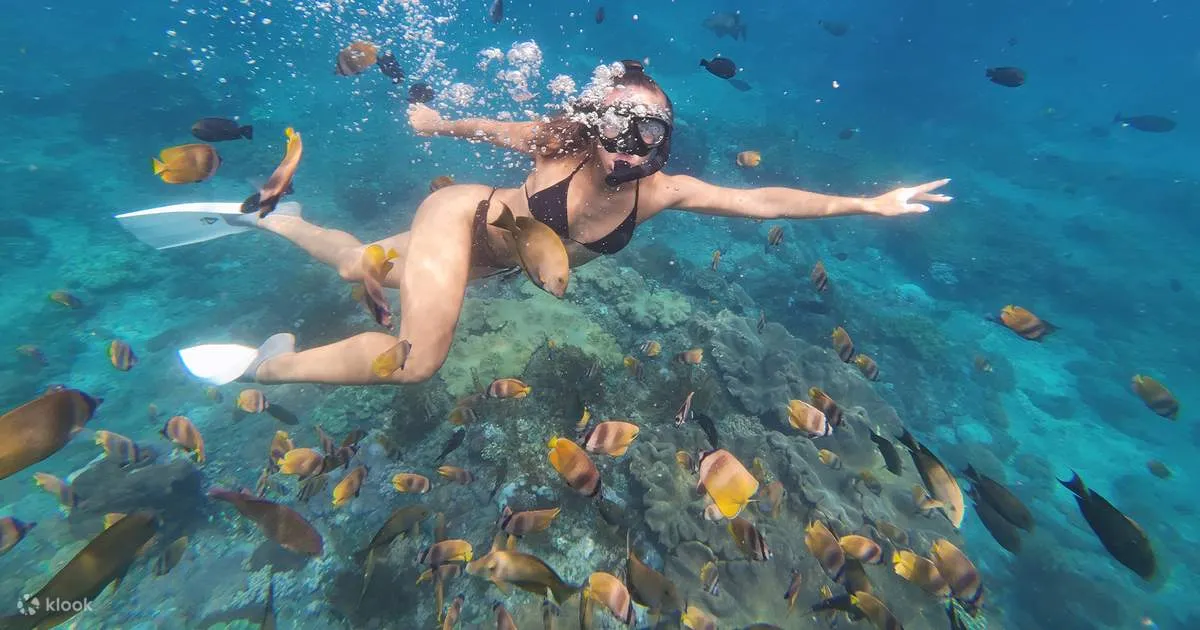
Nusa Penida sits just a short boat ride from Bali’s southeast coast, but the underwater world here feels like a different planet entirely. Towering limestone cliffs drop straight into water so clear you can see coral gardens twenty meters down, manta rays glide past like silent gliders, and on a lucky day, the elusive Mola Mola (oceanic sunfish) might cruise right beneath you. If you’re planning a trip and searching for the best snorkeling spots in Nusa Penida, this guide covers everything a local would tell you, the must-visit locations, what marine life to expect, when to go, and practical tips that most generic guides leave out.
Whether you’re an experienced snorkeler chasing manta encounters or a complete beginner looking for calm, shallow water to float in, Nusa Penida has a spot for you. Let’s dive in.
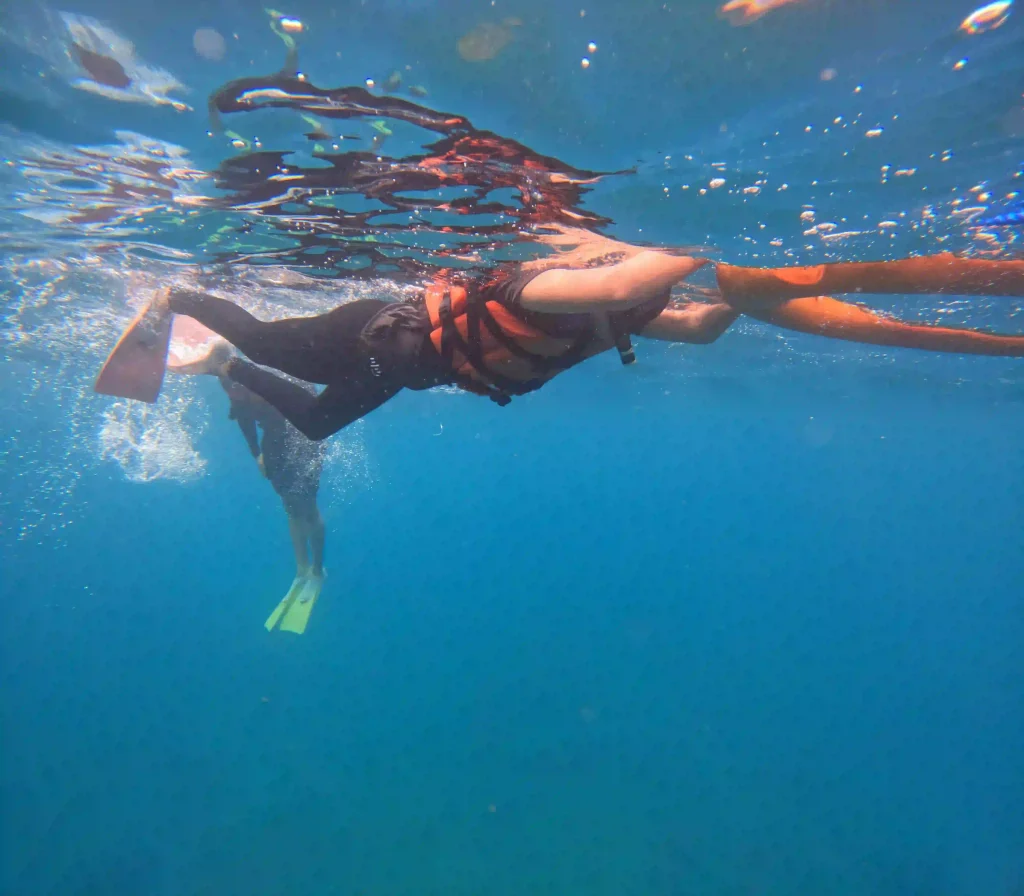
Nusa Penida is part of a marine protected area that includes its smaller sister islands, Nusa Lembongan and Nusa Ceningan. The waters here are nutrient-rich thanks to deep ocean currents from the Indian Ocean, which is exactly why mantas and Mola Mola frequent these waters. Combine that with healthy coral reefs, dramatic underwater topography, and visibility that often exceeds 15-20 meters, and you have one of Indonesia’s premier snorkeling destinations.
Unlike heavily touristed snorkel spots elsewhere in Bali, many of Nusa Penida’s best sites still feel relatively untouched, especially if you visit early in the morning or avoid peak season crowds.
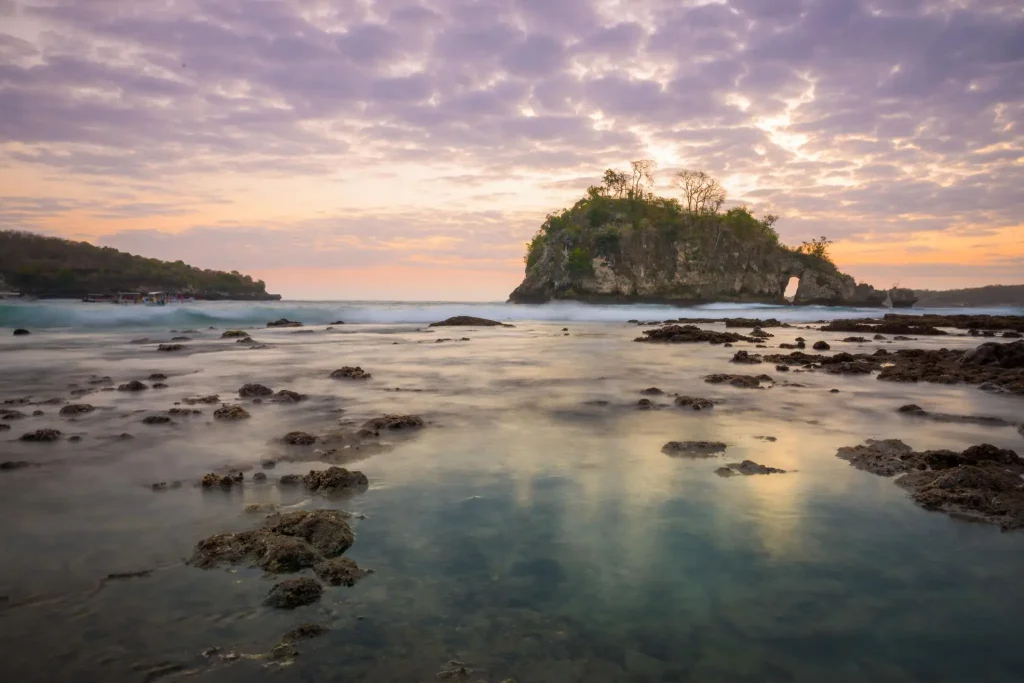
Crystal Bay is arguably the most famous snorkeling spot on the island, and for good reason. The bay’s name comes from its impossibly clear, turquoise water, which makes it perfect for snorkeling even for beginners.
What you’ll see: Vibrant coral gardens, colorful reef fish, sea turtles, and occasionally Mola Mola during the cooler months (July to October).
Best time to visit: Early morning, between 7 AM and 9 AM, before the day-trip crowds arrive and before winds pick up.
Difficulty level: Beginner to intermediate. The shallow areas near the beach are calm, but be cautious of currents further out toward the open channel, especially near the famous “swim-through” cave area.
Local tip: Crystal Bay also has a small beach with warungs (local food stalls) where you can grab fresh coconut water or nasi goreng after your swim. It’s one of the few snorkeling spots on Nusa Penida with actual facilities like toilets and changing areas.
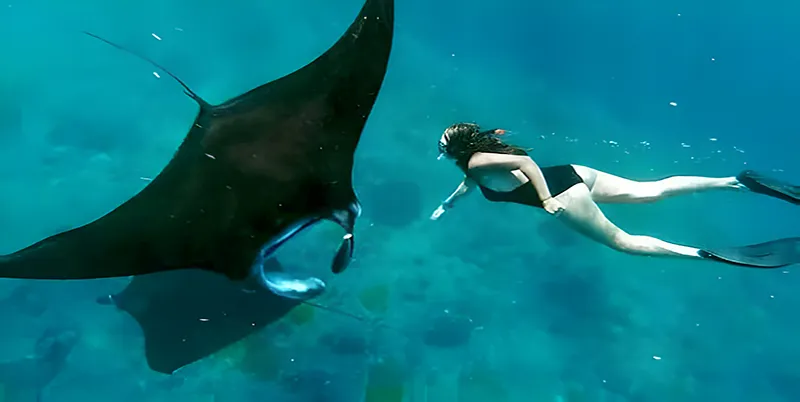
If seeing manta rays in the wild is on your bucket list, Manta Point is the spot. Located on the southwestern tip of the island near Kelingking Beach, this cleaning station attracts manta rays year-round, though sightings are most reliable from April to November.
What you’ll see: Reef manta rays, sometimes with wingspans over 3 meters, gliding gracefully just below the surface. You might also spot smaller fish, anemones, and the occasional turtle.
Best time to visit: Morning trips tend to have higher manta sighting rates, and calmer seas. Afternoon can bring choppier water.
Difficulty level: Intermediate to advanced. Currents at Manta Point can be strong and unpredictable, and the water is often murkier than other spots due to the plankton that attracts the mantas in the first place. Strong swimming ability is recommended.
Local tip: Don’t expect crystal-clear water here, the very plankton that makes it murky is what brings the mantas in. Manage your expectations on visibility, but the manta encounters more than make up for it. Also, never touch or chase the mantas; keep a respectful distance of at least 3 meters.
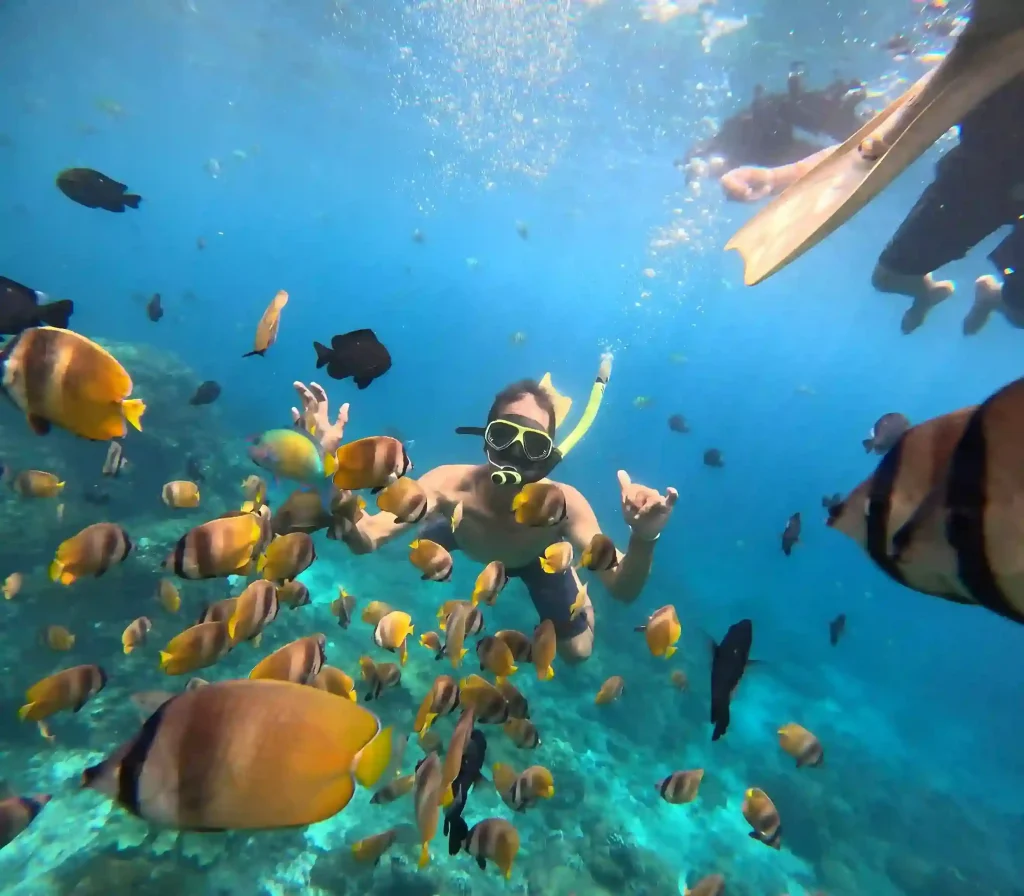
Tucked near Crystal Bay, Gamat Bay is a quieter, less crowded alternative that’s perfect if Crystal Bay feels too busy.
What you’ll see: Healthy coral reefs, schools of tropical fish, and occasionally reef sharks resting on the sandy bottom.
Best time to visit: Anytime in the morning, the bay is generally calmer and less affected by wind compared to more exposed spots.
Difficulty level: Beginner-friendly, with shallow reef areas close to shore.
Local tip: Gamat Bay is often included as a stop on snorkeling tour packages alongside Crystal Bay and Manta Point, making it an easy addition without extra cost.
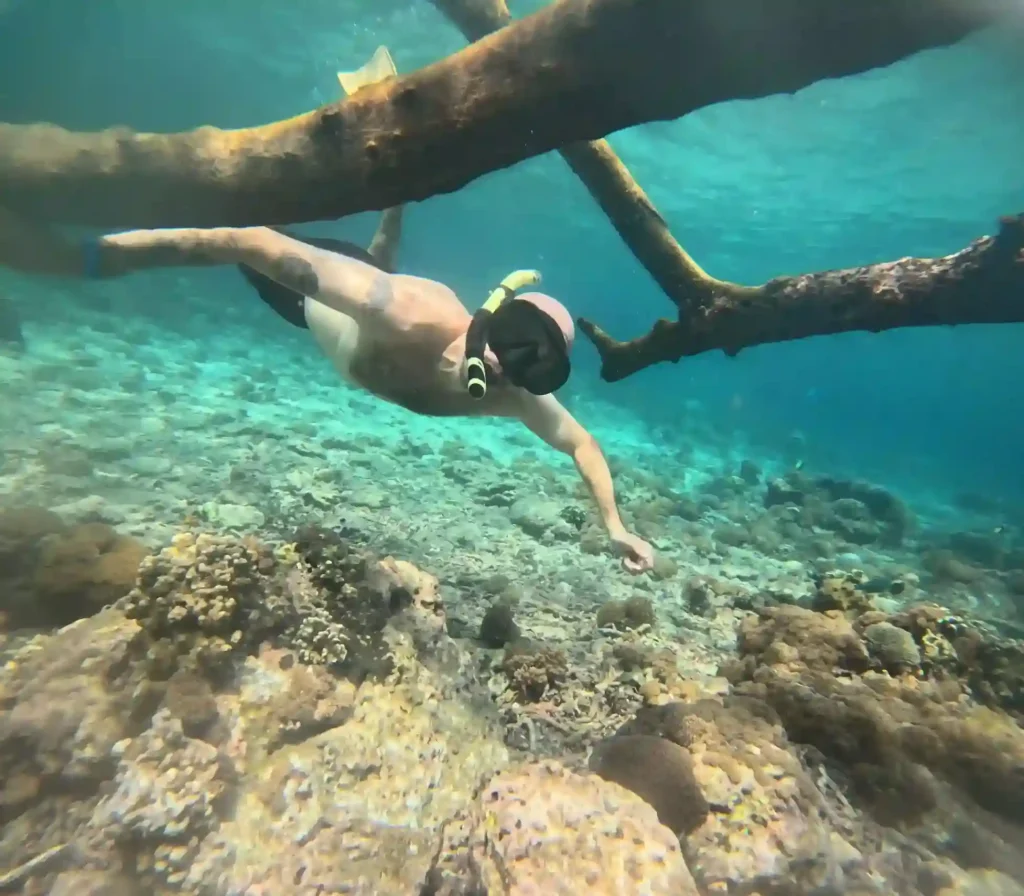
Named after a nearby elementary school (SD stands for “Sekolah Dasar” in Indonesian), this spot near Toyapakeh is one of the most underrated snorkeling locations on the island.
What you’ll see: Spectacular coral formations, an abundance of reef fish in every color imaginable, and good chances of spotting reef sharks and turtles.
Best time to visit: Morning to early afternoon, when the sun is high enough to illuminate the coral colors fully.
Difficulty level: Beginner to intermediate, with relatively calm water close to the reef wall.
Local tip: SD Point is a favorite among photographers because of how vibrant and dense the coral cover is. If you’re bringing an underwater camera or GoPro, this is one spot you don’t want to skip.
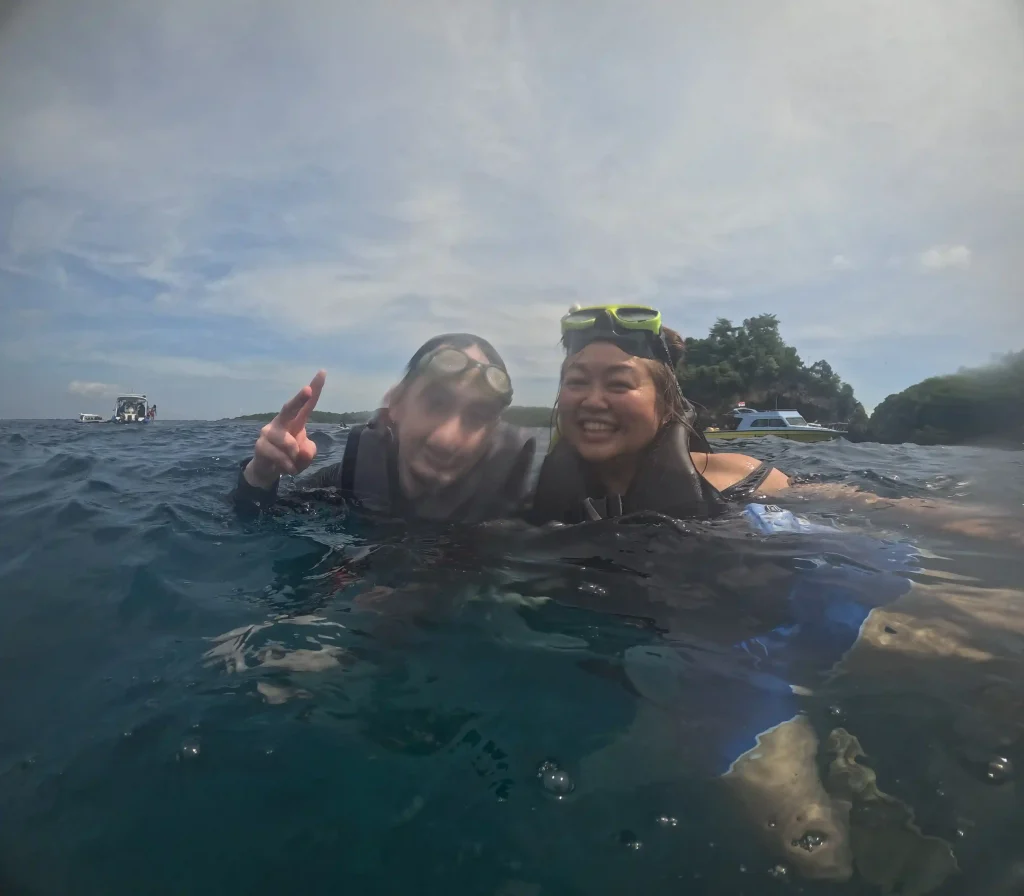
Located near the main harbor area, Toyapakeh is convenient and consistently good for snorkeling, making it a popular stop for boat tours heading between Nusa Penida and Nusa Lembongan.
What you’ll see: Diverse coral reef systems, schools of fish, and occasionally turtles cruising along the reef edge.
Best time to visit: Morning, when boat traffic in the channel is lighter and water tends to be calmer.
Difficulty level: Beginner to intermediate.
Local tip: Because Toyapakeh is close to the harbor, it’s often the first or last stop on day-trip itineraries. If your tour offers flexibility, ask to visit it earlier in the day before other boats arrive.
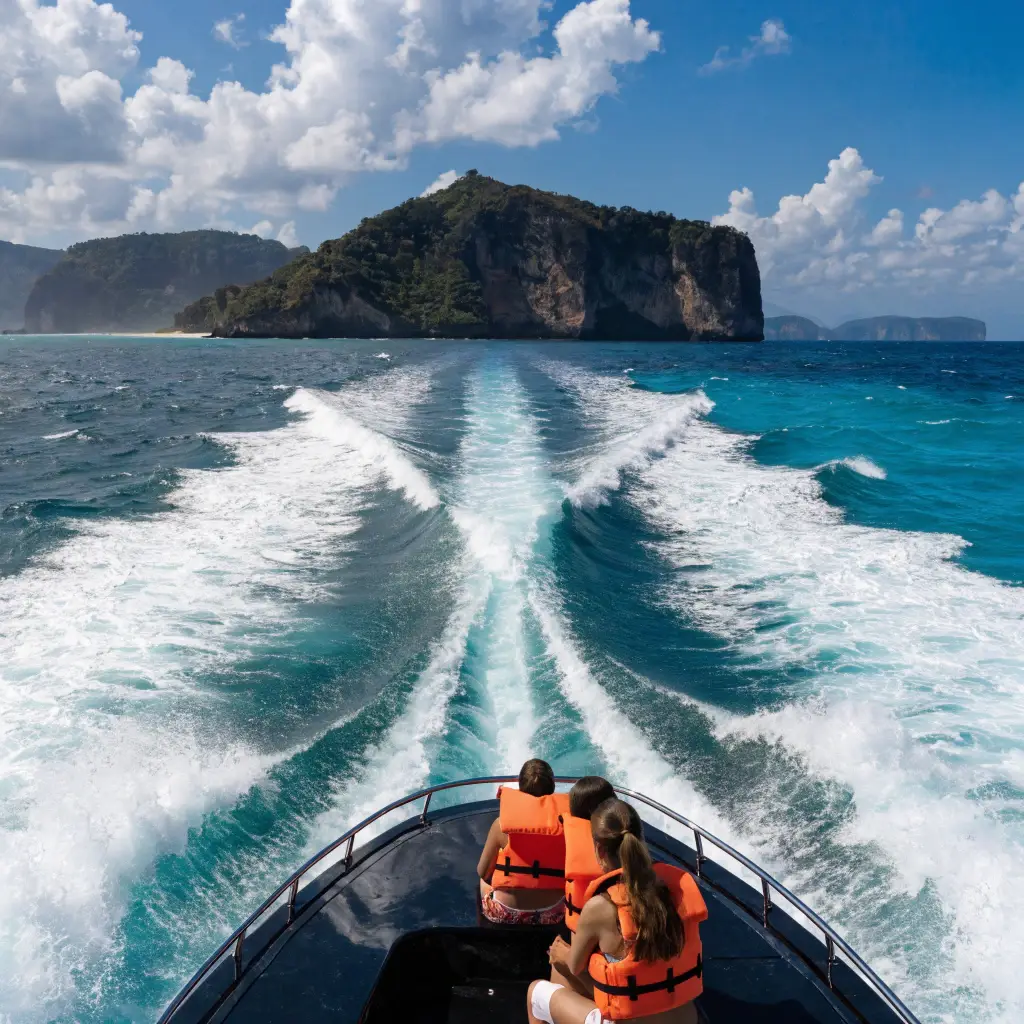
While Atuh Beach is best known for its dramatic cliffside views and Instagram-famous scenery, the snorkeling here is a hidden gem that many visitors overlook entirely.
What you’ll see: Clear water with patches of coral and reef fish near the rocky outcrops.
Best time to visit: Mid-morning, once the tide allows easier access to the water.
Difficulty level: Beginner, but check tide conditions before entering since the beach access can be tricky depending on water levels.
Local tip: Most visitors come to Atuh Beach for photos and don’t bring snorkel gear, so if you do, you’ll likely have the underwater scenery mostly to yourself.
Timing matters a lot when planning a snorkeling trip to Nusa Penida, especially if you’re hoping to see specific marine life.
Dry season (April to October): Generally the best overall conditions, calmer seas, better visibility, and higher chances of manta ray sightings at Manta Point.
Mola Mola season (July to October): This is when water temperatures drop slightly due to cold currents from the Indian Ocean, drawing Mola Mola up from the deep. Crystal Bay and nearby deep-water sites are your best bet during this window.
Wet season (November to March): Choppier seas and lower visibility are more common, though it’s not impossible to snorkel, just less predictable. Some operators may cancel trips during particularly rough weather.
For most travelers, May, June, September, and October offer a sweet spot, decent weather, fewer crowds than peak July-August, and good marine life activity.
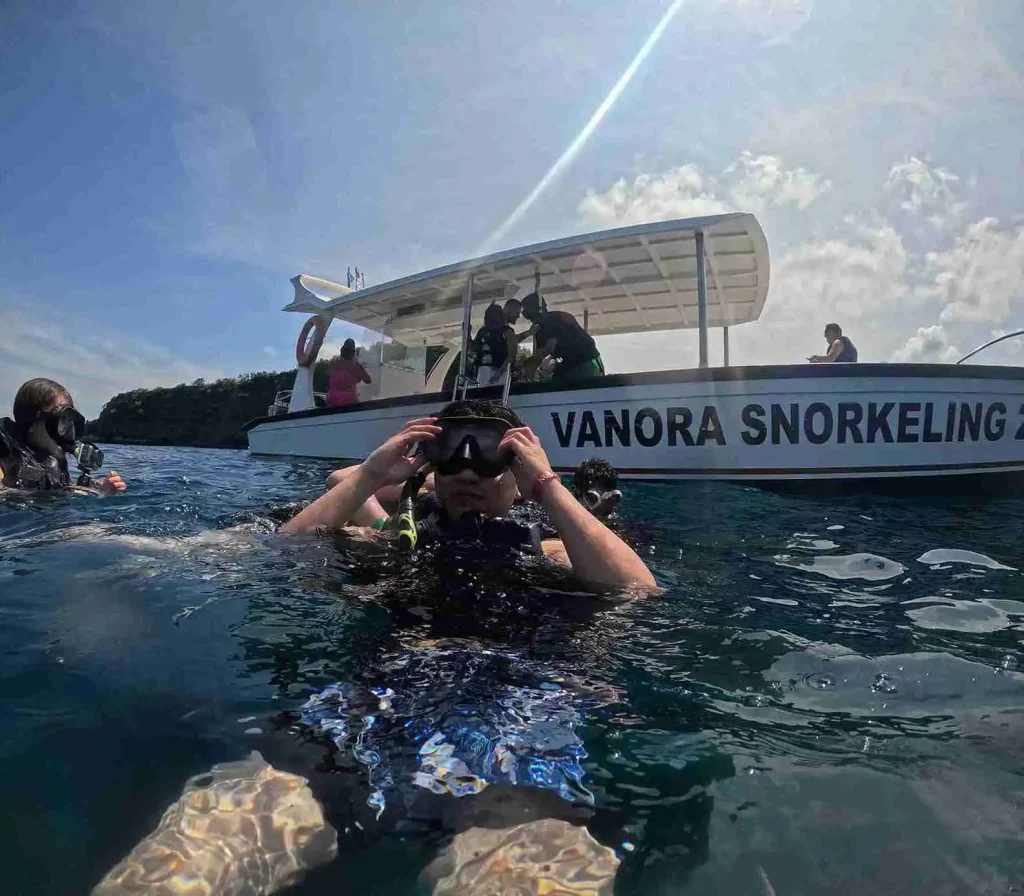
Most snorkeling spots are spread across the island and not within walking distance of each other, so getting around requires either a boat tour or a scooter plus boat combination.
Day trip from Bali (Sanur): Fast boats depart from Sanur Beach in the early morning (around 7-8 AM) and take roughly 30-45 minutes to reach Nusa Penida. Many tour operators bundle transport, snorkeling gear, lunch, and stops at multiple spots into one package, typically priced between IDR 350,000 to 600,000 per person, depending on inclusions.
Staying on Nusa Penida: If you’re staying overnight on the island (recommended if you want to avoid crowds and have more flexibility), you can rent a scooter and arrange snorkeling boat trips directly from each beach area. Crystal Bay, Gamat Bay, and SD Point can be combined into one boat trip fairly easily since they’re close to each other on the western side of the island.
Manta Point access: Because of its location on the southern tip and the strong currents involved, Manta Point trips are usually arranged separately or as part of a dedicated “manta tour” package.
A few practical items make a big difference:
Reef-safe sunscreen is essential, not just for your skin but to protect the coral reefs from chemical damage. Many of Nusa Penida’s reefs are still recovering from past bleaching events, and standard sunscreen can do real harm.
A rash guard or long-sleeve swim shirt helps with sun protection during long boat rides and snorkeling sessions, especially since the equatorial sun is intense even on cloudy days.
Your own snorkel mask is worth considering if you’re particular about fit. Most tour operators provide gear, but quality varies, and a poorly fitting mask can ruin an otherwise great experience.
Waterproof phone case or action camera will let you capture the incredible visibility and marine life, particularly at SD Point and Crystal Bay where coral colors are vivid.
Motion sickness medication is worth packing if you’re prone to seasickness, since boat rides between spots, especially to Manta Point, can get bumpy.
Currents around Nusa Penida can be deceptively strong, even in spots that look calm on the surface. A few things worth keeping in mind:
Always snorkel with a buddy or as part of a guided group, particularly at Manta Point and Crystal Bay’s deeper sections, where currents can pull swimmers toward open water.
Listen to your boat captain and guide. Local boat operators know the current patterns intimately and will often tell you exactly where it’s safe to swim and where to avoid.
Wear a life jacket if you’re not a confident swimmer. Most tours provide them, and there’s no shame in using one, especially around Manta Point where you’re often swimming in open water with no reef to hold onto.
Check weather conditions before booking, particularly during the wet season. If a tour operator suggests postponing due to rough seas, take their advice seriously.
Nusa Penida offers some of the most rewarding snorkeling in Indonesia, with sites ranging from calm, beginner-friendly bays to adrenaline-pumping manta encounters in open water. Crystal Bay and Gamat Bay are perfect starting points for those new to snorkeling, while SD Point rewards photographers with some of the island’s healthiest coral. For marine life enthusiasts, Manta Point and Crystal Bay during Mola Mola season offer once-in-a-lifetime encounters that few other destinations can match.
Whatever combination of spots you choose, go early, respect the marine environment, and don’t forget your reef-safe sunscreen. Nusa Penida’s underwater world is one of Bali’s true treasures, and with a bit of local knowledge, you’ll know exactly where to find the best of it.

Keep Reading
Imagine plunging into a liquid sapphire kingdom where the water is so staggeringly translucent it...
Welcome to the definitive guide for exploring the underwater wonders of Nusa Penida! If you’ve...
When travelers think about snorkeling in Bali, destinations like Blue Lagoon and Amed often come...
