
 krisna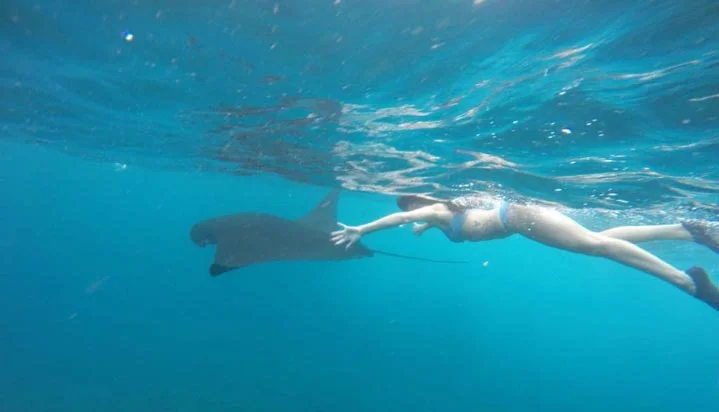
Nusa Penida, a jewel nestled off the coast of Bali, beckons adventurers and marine enthusiasts with its pristine waters and vibrant underwater world. Among its many treasures, Manta Point Nusa Penida stands out as a world-renowned sanctuary where majestic manta rays gracefully glide through the ocean. This iconic location offers an unparalleled opportunity to witness these gentle giants in their natural habitat, making it a bucket-list destination for snorkelers and divers alike. Whether you dream of swimming alongside these magnificent creatures or observing them from a respectful distance, Manta Point promises an unforgettable encounter. This comprehensive guide will delve into everything you need to know about visiting Manta Point, from the best times to go and how to get there, to understanding manta ray behavior and ensuring a sustainable interaction. Prepare to embark on an extraordinary journey to one of the most captivating marine ecosystems on Earth, where the magic of swimming with manta rays in Nusa Penida comes alive.
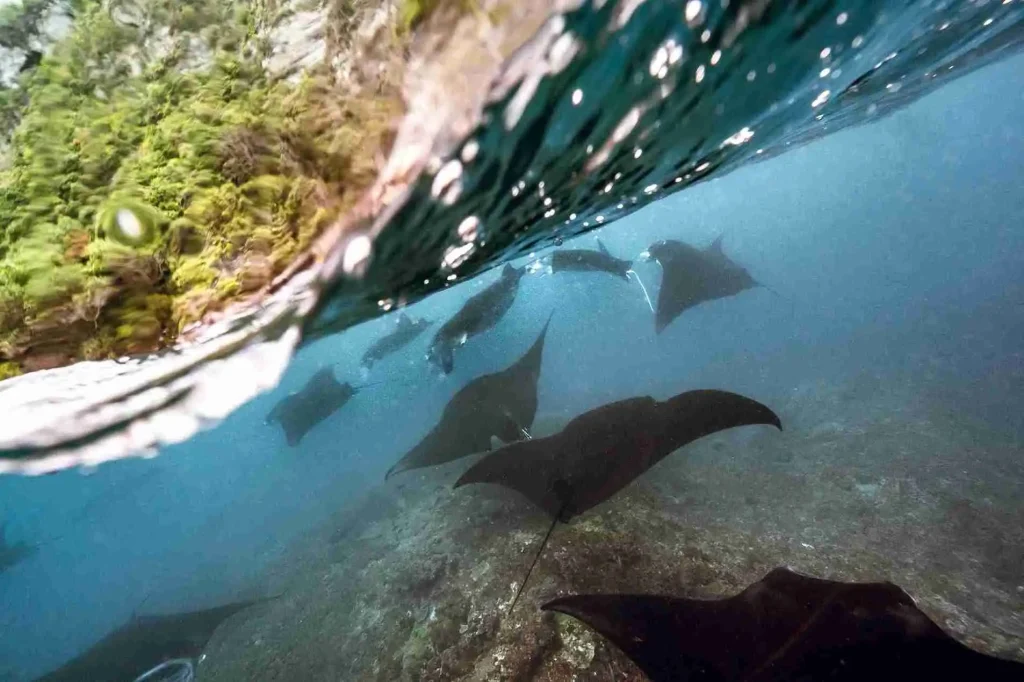
Manta Point is not just a location; it’s a vibrant marine ecosystem situated on the rugged southwestern coast of Nusa Penida, an island forming part of Indonesia’s Lesser Sunda Islands. This particular site is globally recognized as a premier destination for encountering manta rays due to its unique geographical and oceanographic characteristics . Unlike more sheltered bays, Manta Point is exposed to the open Indian Ocean, where nutrient-rich upwellings create an abundant food source for plankton, which in turn attracts large aggregations of manta rays . The dramatic limestone cliffs that plunge into the sea create a stunning backdrop, but beneath the surface lies the true spectacle: a series of underwater cleaning stations. These are specific coral formations where smaller reef fish, such as cleaner wrasse, remove parasites and dead skin from the mantas, providing a symbiotic relationship crucial to the mantas’ health . This natural phenomenon makes Manta Point a reliable spot for observing these magnificent creatures year-round, offering an almost guaranteed chance of interaction for both divers and snorkelers .
When planning an encounter with manta rays in Nusa Penida, visitors often encounter two primary locations: Manta Point and Manta Bay. While both offer the chance to see these incredible animals, they present distinct experiences tailored to different preferences and skill levels. Understanding the differences between these two sites is crucial for choosing the best adventure for you .
Manta Point is renowned for its higher probability of manta ray sightings, often boasting a 90-95% success rate . It is an exposed site, situated further southwest, characterized by deeper waters and more dynamic ocean conditions, including stronger currents and larger swells . This environment is particularly attractive to larger, oceanic manta rays, which frequent the cleaning stations found here . Due to these conditions, Manta Point is generally recommended for experienced snorkelers and certified divers who are comfortable in open ocean environments . The journey to Manta Point typically takes 45 minutes by boat from Toyapakeh .
Manta Bay, on the other hand, is a more sheltered and shallower site, located closer to the main harbors of Nusa Penida . It is a popular choice for casual snorkelers and beginners due to its calmer conditions and shallower depths, usually ranging from 5 to 12 meters . While manta sightings are still common at Manta Bay, the success rate is slightly lower, around 80%, and the mantas encountered are typically reef mantas, which are generally smaller than their oceanic counterparts . The proximity to Toyapakeh makes it a shorter boat ride, often included in tours that combine snorkeling with other attractions like Crystal Bay and Gamat Bay .
The table below summarizes the key distinctions between Manta Point and Manta Bay:
| Feature | Manta Bay | Manta Point |
| Depth | Shallow (5–12m) | Deeper (10–25m) |
| Suitable for | Snorkelers & beginners | Divers & experienced snorkelers |
| Accessibility | Closer to main harbors | Requires 30–45 min boat ride |
| Size of Mantas | Reef mantas (generally smaller) | Oceanic mantas (larger) |
| Sea Conditions | Calmer, more sheltered | Rougher, more open water, stronger currents |
| Success Rate | Around 80% | 90–95% |
| Marine Life | Mantas, reef sharks, turtles, eagle rays | Mantas, reef sharks, turtles, large pelagics |
In essence, if you seek a thrilling, more challenging encounter with potentially larger manta rays in a wilder setting, Manta Point is your destination. If you prefer a more relaxed, beginner-friendly experience with a good chance of seeing mantas, Manta Bay is an excellent alternative .
Manta rays are among the most captivating creatures of the ocean, and understanding their biology and behavior enhances the experience of encountering them. There are primarily two species of manta rays: the reef manta ray (Mobula alfredi) and the oceanic manta ray (Mobula birostris). While both are majestic, they differ in size, habitat, and migratory patterns .
Reef manta rays are typically found closer to coastlines and coral reefs, often frequenting specific cleaning stations and feeding grounds. They are generally smaller, with a wingspan that can reach up to 5 meters . These are the mantas most commonly seen at Manta Bay. Oceanic manta rays, also known as giant manta rays, are larger, with wingspans often exceeding 7 meters, and are pelagic, meaning they inhabit the open ocean, undertaking vast migrations . Manta Point is particularly known for attracting these larger oceanic mantas, especially to its deeper cleaning stations .
A fascinating aspect of manta ray biology is the occurrence of melanistic mantas. These are rare individuals that are entirely black, lacking the typical white markings on their undersides. While less common, they can occasionally be spotted in the waters around Nusa Penida, adding an extra layer of wonder to the encounter .
Central to the frequent sightings at Manta Point is the phenomenon of cleaning stations. These are specific areas on the reef, often around coral heads, where manta rays congregate to have parasites and dead skin removed by smaller fish, primarily cleaner wrasse . The mantas glide slowly, sometimes in circles, allowing the cleaner fish to perform their vital service. This symbiotic relationship is crucial for the mantas’ health and provides an incredible spectacle for observers. Manta Point boasts several active cleaning stations, making it a reliable spot for observing this natural behavior .
Manta rays are filter feeders, consuming vast quantities of plankton by swimming with their mouths open, using specialized gill rakers to strain their food from the water . Despite their imposing size, they are gentle giants, posing no threat to humans. Their curiosity can sometimes lead them to approach snorkelers and divers closely, offering truly intimate encounters .
One of the most appealing aspects of Manta Point Nusa Penida is the year-round presence of manta rays, offering a high chance of sightings regardless of when you visit . However, certain periods offer optimal conditions for both manta encounters and overall travel experience.
The dry season, which typically runs from April to October, is generally considered the best time to visit Nusa Penida for manta ray encounters . During these months, the sea is usually calmer, leading to better visibility underwater and more comfortable boat rides to Manta Point . The period between May and November is particularly favorable, with May often seeing a peak in manta ray numbers . Additionally, from May to September, a phenomenon known as ‘upwelling’ occurs, pushing plankton closer to the surface, which in turn attracts mantas to shallower depths for feeding, making them more accessible to snorkelers .
While manta rays are present during the rainy season (November to March), ocean conditions can be more unpredictable, with rougher seas and potentially lower visibility . This can sometimes lead to tour cancellations due to safety concerns. However, even during the rainy season, with careful planning and choosing days with good weather, successful manta encounters are still very possible .
Water temperature at Manta Point can vary. During the dry season (May to November), temperatures typically range from 26-30°C. However, from July to October, the water temperature can drop to the low 20s°C, and at Manta Point specifically, due to cooler currents, it can even reach 15-18°C, though usually it’s around 22-25°C . A wetsuit is highly recommended, especially for divers and those who feel the cold easily .
An added bonus for visiting during the cooler months (July to October) is the potential overlap with the Mola Mola (Oceanic Sunfish) season . These elusive and massive fish are another highlight of Nusa Penida’s underwater world, often seen at deeper dive sites when the water is colder. While Manta Point is primarily known for mantas, occasional Mola Mola sightings can occur, making this period even more exciting for divers .
To maximize your chances of a comfortable and rewarding experience, it’s advisable to check local weather and sea conditions closer to your travel dates and consult with reputable tour operators. Early mornings (7-10 AM) are often recommended for calmer seas and better visibility at Manta Point .
Reaching Manta Point, while an adventure in itself, is a straightforward process once you understand the primary access points. The journey typically involves a boat trip, as Manta Point is located off the southwestern coast of Nusa Penida and is not accessible by land .
Most visitors to Manta Point will start their journey from either mainland Bali, Nusa Lembongan, or directly from Nusa Penida itself.
From Mainland Bali: For those staying in popular tourist hubs like Sanur, Kuta, Seminyak, or Ubud, day trips to Nusa Penida are readily available. These tours usually include hotel pickup, fast boat transfers from Sanur to Nusa Penida, and then a smaller boat to the snorkeling or diving sites, including Manta Point . Sanur is the closest port on mainland Bali for transfers to Nusa Penida. The fast boat ride across the Badung Strait typically takes around 30-45 minutes. Opting for a tour from Bali is convenient as it handles all transportation logistics, allowing for a seamless experience .
From Nusa Lembongan: If you are already staying on the neighboring island of Nusa Lembongan, reaching Manta Point is even quicker. Many local operators offer snorkeling and diving tours that depart directly from Nusa Lembongan, heading towards the manta sites around Nusa Penida. The boat ride from Nusa Lembongan to Manta Point is considerably shorter than from Bali, often taking around 15-30 minutes, depending on the departure point on Lembongan .
From Nusa Penida: The most direct way to access Manta Point is by staying on Nusa Penida itself. Boats typically depart from Toyapakeh harbor, which is a central point on the island. Staying on Nusa Penida allows for more flexibility in choosing tour times and can often be more affordable for diving and snorkeling trips to Manta Point . The boat ride from Toyapakeh to Manta Point takes approximately 45 minutes . Many visitors choose to stay on Nusa Penida for a few days to explore its other attractions in addition to the manta ray encounters.
Regardless of your starting point, it is crucial to book your tour with a reputable operator that prioritizes safety and sustainable practices. Ensure the tour includes necessary equipment, experienced guides, and clear communication regarding the itinerary and safety protocols. Always confirm the departure and return times, especially if you have connecting travel plans.
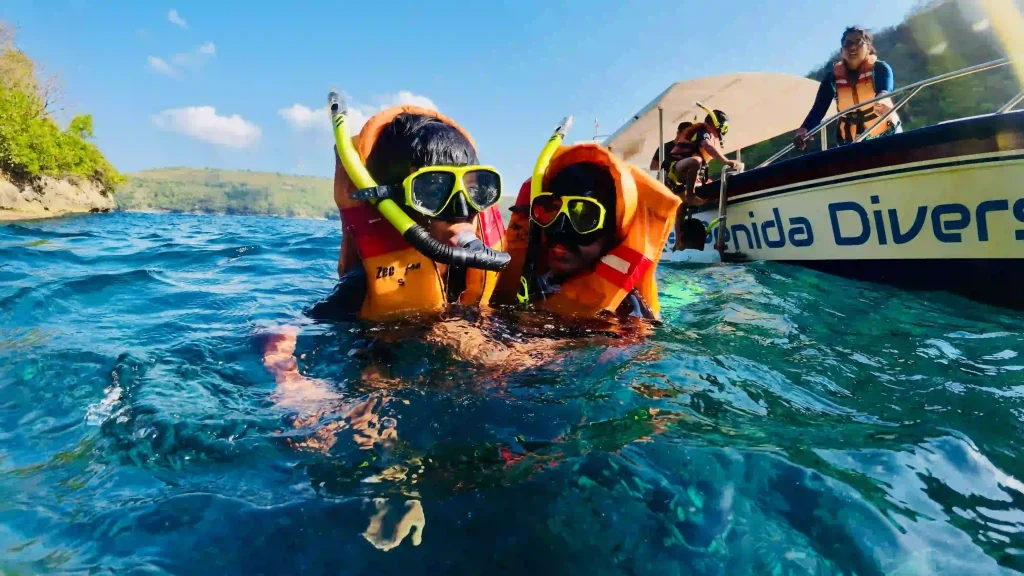
Snorkeling at Manta Point offers an incredible opportunity to witness manta rays up close, even without diving certification. The experience of seeing these majestic creatures glide beneath you, often just a few meters away, is truly breathtaking. However, due to Manta Point’s exposed location and dynamic ocean conditions, it’s important to be prepared .
Conditions for Snorkeling: Manta Point is situated in the open ocean, meaning conditions can be rougher than in more sheltered bays. Expect potential swells and choppy waters, which can make snorkeling more challenging . The water depth for snorkeling typically ranges from 8 to 12 meters, though mantas often come much shallower, sometimes right at the surface, especially during upwelling periods when plankton is abundant . Visibility is generally good, ranging from 10-15 meters, allowing for clear views of the mantas and the underwater cleaning stations .
Physical Requirements: While life jackets are usually provided and often mandatory for snorkelers, a reasonable level of swimming proficiency is recommended. You should be comfortable in deep water and able to handle moderate currents and waves . If you are not a strong swimmer, it’s crucial to communicate this to your tour operator and guide, as some may offer additional assistance or recommend Manta Bay as a more suitable alternative .
What to Expect on a Snorkeling Tour: Most snorkeling tours to Manta Point are part of a multi-stop itinerary that might include other popular spots like Crystal Bay and Gamat Bay . Upon arrival at Manta Point, your guide will provide a briefing on safety, how to interact with the mantas responsibly, and what to expect in the water. You’ll typically enter the water directly from the boat. Once in the water, the goal is to observe the mantas as they feed or visit the cleaning stations. Remember to maintain a respectful distance and avoid touching the mantas, as this can disturb their natural behavior and harm their protective mucus layer .
Essential Gear: Your tour operator will usually provide snorkeling masks, snorkels, and fins. However, bringing your own comfortable mask and snorkel can enhance the experience. A wetsuit or rash guard is highly recommended, even for snorkelers, as the water temperature at Manta Point can be cooler, especially during certain months . Reef-safe sunscreen is also essential to protect yourself and the marine environment.
For certified divers, Manta Point offers an even more immersive and intimate experience with the majestic manta rays. Diving allows for extended observation periods at the cleaning stations and a chance to witness the mantas’ behavior from a unique underwater perspective. Manta Point is considered one of the best dive sites in Indonesia for manta encounters .
Dive Conditions: Manta Point is characterized by its deeper waters, ranging from 0 to 30 meters (0-100 feet), with most of the manta action occurring within the first 1 to 12 meters (1-40 feet) below the surface . While Manta Point itself typically does not have strong currents at the cleaning stations, the exposed nature of the site means divers should be prepared for potential swells and surge, especially on the surface . Visibility is generally excellent, often between 10-15 meters (30-50 feet), providing clear views of the mantas and the surrounding marine life .
Water Temperature: As mentioned, Manta Point can experience cooler water temperatures due to upwellings from the deep ocean. While other dive sites around Bali might be a comfortable 26-30°C (80-86°F), Manta Point can drop to 15-18°C (60-65°F), though it often hovers around 22-25°C (72-77°F) . A 5mm or 7mm wetsuit is highly recommended to ensure comfort during your dives .
What to Expect on a Dive: Dive operators will typically conduct a thorough briefing covering the dive plan, safety procedures, and guidelines for interacting with manta rays. Divers will descend to the cleaning stations, where they can position themselves to observe the mantas as they circle overhead. It’s crucial to maintain buoyancy control and avoid touching the reef or the mantas. Respectful observation is key to ensuring these encounters remain sustainable and undisturbed .
Recommended Dive Centers: To ensure a safe and enjoyable diving experience, it’s vital to choose a reputable dive center. Look for PADI 5-star centers with experienced guides who are knowledgeable about the local conditions and manta ray behavior. Dive centers based on Nusa Penida, such as Dune Penida Dive Center, are often recommended for their local expertise and focus on safety . Many dive centers offer packages that include equipment rental, guides, and boat transfers.
Other Marine Life: Beyond the magnificent mantas, divers at Manta Point may also encounter other fascinating marine creatures. These can include reef sharks, marble rays, eagle rays, stingrays, bamboo sharks, and blue-spotted stingrays . During the cooler months (July to October), there’s also a chance of spotting the elusive Mola Mola (oceanic sunfish) at deeper sections of the dive site .
The opportunity to interact with manta rays at Manta Point Nusa Penida is a privilege that comes with a responsibility to protect these vulnerable creatures and their delicate marine environment. Sustainable tourism practices are paramount to ensuring that future generations can also experience the magic of swimming with mantas .
Code of Conduct for Manta Encounters:
•Maintain Distance: Always keep a respectful distance from the manta rays. The recommended distance is typically 3-5 meters (10-16 feet) . Do not chase, corner, or block their path. Allow them to approach you if they choose to. If a manta ray swims directly towards you, remain calm and still, allowing it to pass .
•No Touching: Never attempt to touch a manta ray. Their skin is covered in a protective mucus layer that can be damaged by human touch, making them susceptible to infections . Touching also disrupts their natural behavior and can cause them stress.
•Minimize Noise and Movement: Enter the water quietly and calmly. Avoid sudden movements or excessive splashing, as this can startle the mantas .
•No Flash Photography: While capturing the moment is tempting, avoid using flash photography, especially when close to the mantas, as it can disorient them.
•Respect the Environment: Do not touch or stand on corals, as they are fragile and vital components of the marine ecosystem. Ensure your sunscreen is reef-safe to prevent harmful chemicals from entering the water.
•Responsible Operators: Choose tour operators who demonstrate a strong commitment to responsible tourism and adhere to established guidelines for manta ray interactions. Inquire about their practices and ensure they prioritize the welfare of the marine life .
The Manta Trust Guidelines: Organizations like the Manta Trust advocate for global conservation efforts and provide guidelines for responsible manta ray tourism. These guidelines emphasize minimal disturbance, education, and supporting local conservation initiatives. Indonesia has taken significant steps in manta ray conservation, notably by banning manta ray fishing and trade in 2014, establishing the world’s largest manta sanctuary . This commitment highlights the importance of protecting these species, which are classified as vulnerable by the Convention on Migratory Species due to threats from overfishing, pollution, and climate change .
By adhering to these ethical guidelines, visitors can contribute to the long-term conservation of manta rays and ensure that Manta Point remains a thriving sanctuary for these magnificent creatures.
To ensure a smooth and enjoyable experience at Manta Point, here are some practical tips to consider before and during your trip:
Costs: The cost of a manta ray tour can vary significantly depending on your departure point, the duration of the tour, and whether it includes snorkeling or diving. Day trips from mainland Bali, which often include transfers, lunch, and multiple snorkeling/diving spots, can range from IDR 1,000,000 to IDR 1,500,000 (approximately USD 65-100). Tours departing directly from Nusa Penida or Nusa Lembongan are generally more affordable, ranging from IDR 500,000 to IDR 900,000 (approximately USD 35-60) for snorkeling, and more for diving packages . Always confirm what is included in the price (equipment, guide, lunch, transfers) before booking.
What to Pack:
•Swimsuit and Rash Guard: Essential for sun protection and comfort in the water.
•Reef-Safe Sunscreen: Protect your skin and the marine environment. Avoid chemical sunscreens that can harm corals and marine life.
•Hat and Sunglasses: For protection from the strong tropical sun during boat transfers and surface intervals.
•Towel: A quick-drying towel is ideal.
•Waterproof Bag or Dry Pouch: To keep your valuables, phone, and camera dry.
•Underwater Camera (GoPro recommended): To capture unforgettable moments with the mantas. Ensure it’s fully charged and has enough storage.
•Motion Sickness Medication: If you are prone to seasickness, take medication before boarding the boat, especially for the journey to Manta Point, which can be choppy .
•Reusable Water Bottle: Stay hydrated and reduce plastic waste.
•Light Jacket or Sweater: The boat ride can be breezy, and the water at Manta Point can be cooler.
Photography Tips: Capturing the grace of manta rays underwater requires some preparation. A wide-angle lens is often best for capturing their full size. Natural light is usually sufficient, but if you have an external light source, use it carefully and avoid directing it directly at the mantas. Remember the
no-touch rule and avoid flash photography. Patience is key; sometimes the best shots come when you simply observe and let the mantas come to you.
While manta rays are undoubtedly the star attraction at Manta Point, Nusa Penida’s underwater world offers a rich tapestry of marine life that extends far beyond these gentle giants. Divers and snorkelers often encounter a variety of other fascinating species, adding another layer of excitement to their aquatic adventures .
Other Marine Life Encounters:
•Mola Mola (Oceanic Sunfish): During the cooler months, typically from July to October, Nusa Penida becomes one of the few places in the world where you can spot the elusive Mola Mola. These massive, peculiar-looking fish are a diver’s dream, often seen at deeper dive sites around the island, including occasionally at Manta Point .
•Sharks and Rays: Beyond mantas, the waters around Manta Point are home to various other shark and ray species, including reef sharks, marble rays, eagle rays, stingrays, and even bamboo sharks . These encounters add to the thrill of diving in Nusa Penida’s dynamic ecosystem.
•Turtles: Green sea turtles and hawksbill turtles are frequently sighted gliding gracefully through the coral gardens and along the reef walls .
•Vibrant Coral Reefs and Fish: While Manta Point’s reef structure is primarily a cleaning station, other nearby sites like Crystal Bay and Gamat Bay boast vibrant coral gardens teeming with a kaleidoscope of reef fish, making them excellent spots for colorful snorkeling and diving .
Nusa Penida’s Land Attractions: Nusa Penida itself is a rugged island paradise with breathtaking landscapes and natural wonders that are worth exploring. Combining your manta ray adventure with a land tour can create a truly comprehensive experience:
•Kelingking Beach: Famous for its T-Rex shaped cliff formation and stunning white sand beach below.
•Angel’s Billabong and Broken Beach: Natural rock formations creating beautiful tidal pools and a natural bridge over a collapsed cliff face.
•Crystal Bay: A picturesque beach known for its clear waters, perfect for swimming and relaxing, and a popular spot for sunset views.
•Diamond Beach and Atuh Beach: Two spectacular beaches on the eastern side of the island, offering dramatic cliffs and pristine sands.
•Tembeling Beach and Forest: A hidden natural pool and sacred forest accessible via a challenging but rewarding trek.
Many tour operators offer combined packages that include both marine activities and land tours, allowing you to experience the best of Nusa Penida both above and below the water. This ensures a well-rounded trip, showcasing the island’s diverse beauty and making your visit truly unforgettable.
Here are answers to some common questions about visiting Manta Point Nusa Penida:
Q: Is it guaranteed to see manta rays at Manta Point?
A: While not 100% guaranteed, Manta Point boasts a very high success rate of 90-95% for manta ray sightings year-round, making it one of the most reliable places in the world to encounter them .
Q: What is the difference between Manta Point and Manta Bay?
A: Manta Point is deeper, more exposed, and known for larger oceanic mantas, suitable for experienced snorkelers and divers. Manta Bay is shallower, more sheltered, and popular with beginners, typically hosting reef mantas .
Q: What is the best time of year to visit Manta Point?
A: The dry season (April to October) generally offers the best conditions with calmer seas and better visibility. May to November is particularly good for manta sightings, with May often seeing peak numbers .
Q: Do I need to be a strong swimmer to snorkel at Manta Point?
A: A reasonable level of swimming proficiency is recommended due to potential swells and currents. While life jackets are provided, comfort in deep, open water is important .
Q: Can I touch the manta rays?
A: No, it is crucial never to touch manta rays. Human touch can remove their protective mucus layer, making them vulnerable to infection and disturbing their natural behavior .
Q: Are manta rays dangerous?
A: No, manta rays are gentle giants and pose no threat to humans. They are filter feeders and generally avoid physical contact .
Q: What should I bring for a trip to Manta Point?
A: Essential items include a swimsuit, reef-safe sunscreen, hat, sunglasses, a quick-drying towel, a waterproof bag, and motion sickness medication if needed. A wetsuit or rash guard is also recommended due to cooler water temperatures .
Manta Point Nusa Penida offers an extraordinary opportunity to connect with nature and witness the majestic grace of manta rays in their natural habitat. From the thrill of swimming alongside these gentle giants to understanding their ecological importance, a visit to Manta Point is an experience that transcends a typical vacation. By choosing responsible tour operators and adhering to ethical interaction guidelines, every visitor plays a crucial role in the conservation of these vulnerable species and the pristine marine environment they call home. Whether you are a seasoned diver or an adventurous snorkeler, the call of the ocean and the promise of an unforgettable encounter with manta rays await you at Nusa Penida. Plan your journey, embrace the adventure, and prepare to be captivated by the magic of Manta Point.
Keep Reading
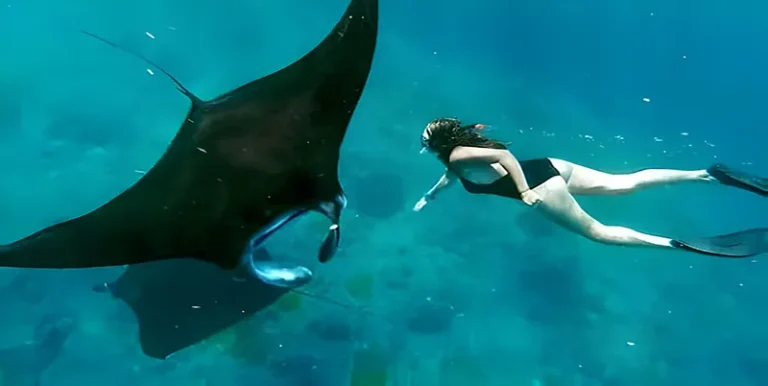
Manta Point Nusa Penida is one of the most iconic snorkeling destinations in Bali, renowned...
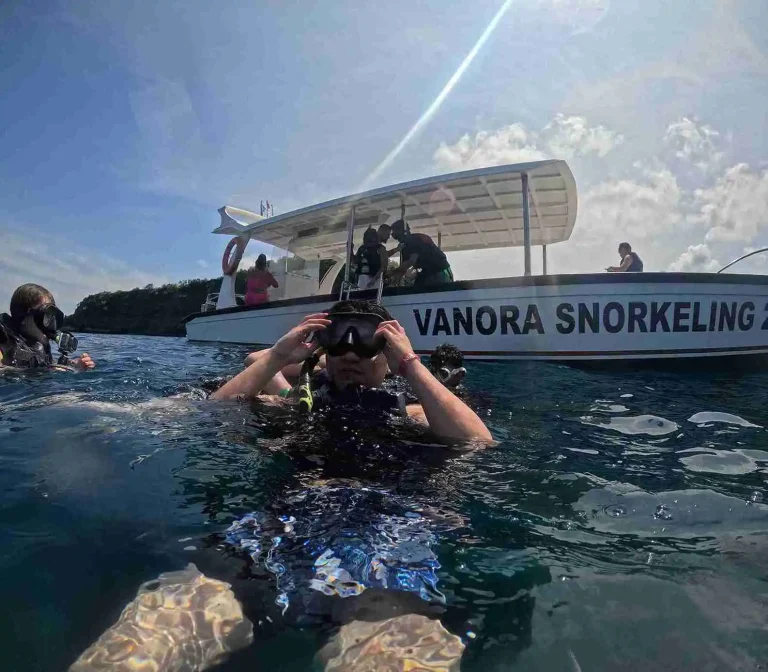
Nusa Penida, an island paradise nestled southeast of Bali, has long captivated travelers with its...
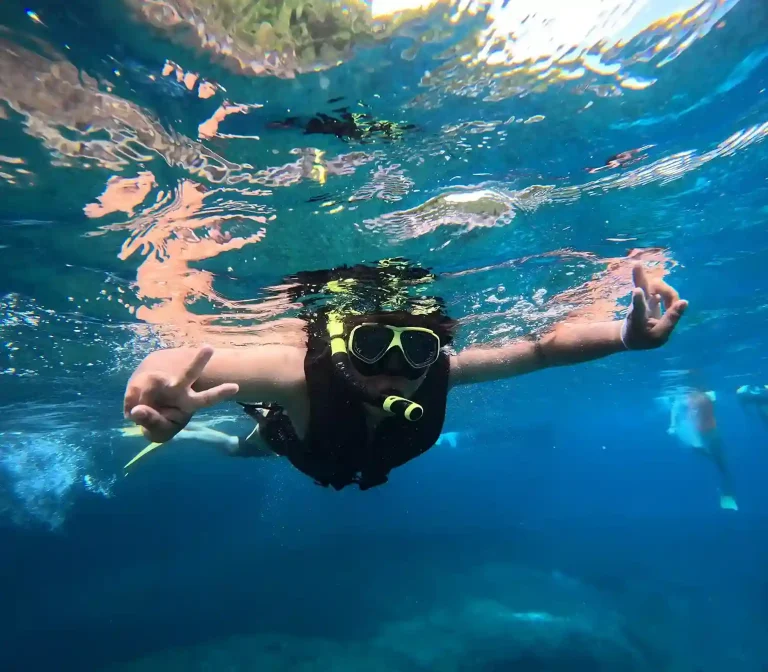
Planning your underwater adventure in Bali? Discover the critical differences between Manta Bay and Manta...