
 krisna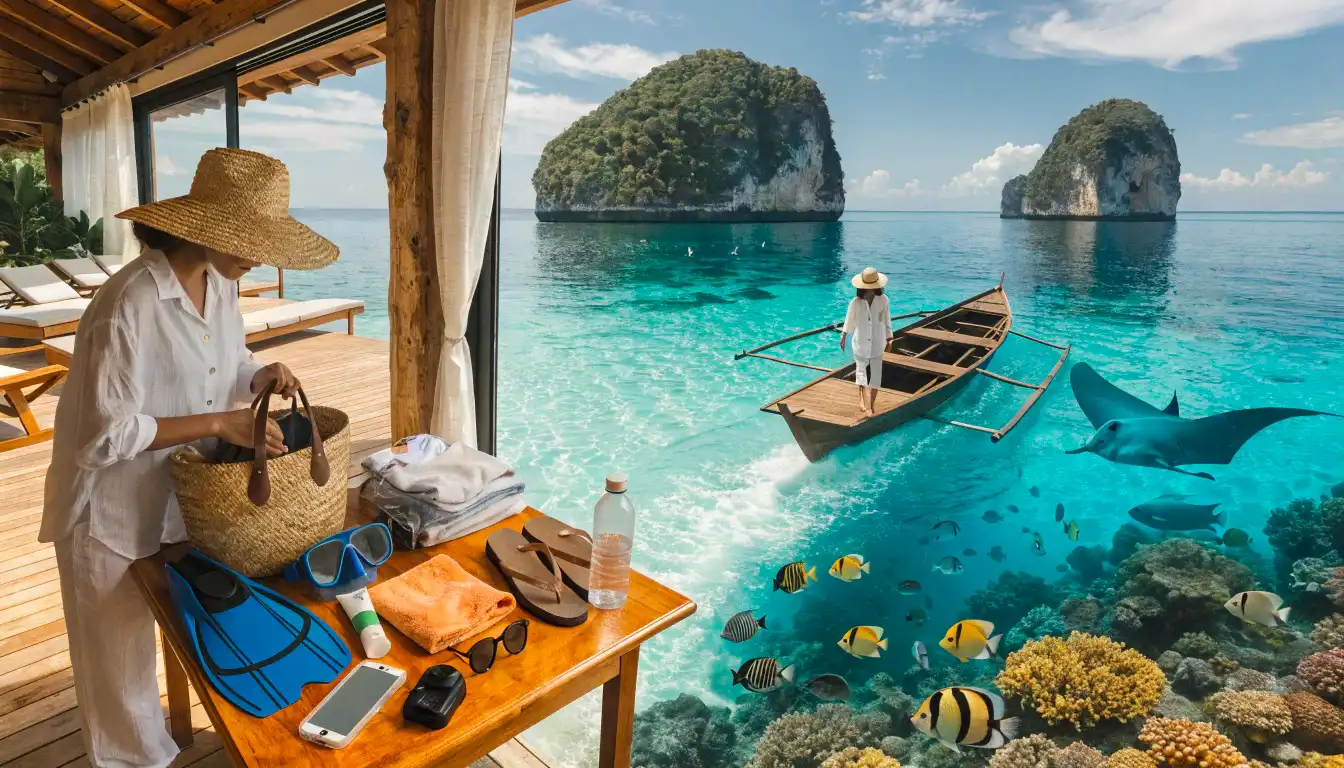
Nusa Penida has rapidly emerged as a global magnet for underwater enthusiasts. With its dramatic limestone cliffs, crystal-clear waters, and a vibrant marine ecosystem—home to majestic Manta Rays and the elusive Mola-Mola—it’s no wonder that snorkeling here features on countless bucket lists. However, Nusa Penida’s breathtaking beauty comes with its own set of unique challenges. Strong currents, fluctuating water temperatures, and rugged terrain demand meticulous preparation.
Are you meticulously planning your bali snorkeling packing list? Or perhaps you’re still pondering what to bring to nusa penida to ensure a comfortable and safe adventure? This comprehensive 2000-word guide will delve deep into every essential item you need, from technical gear to personal necessities, allowing you to fully immerse yourself in the underwater wonders without a single worry.
Before we dive into the specifics, let’s understand why Nusa Penida stands apart from other popular snorkeling destinations in Bali, such as Sanur, Blue Lagoon Padangbai, or Amed. Thorough preparation isn’t just about comfort; it’s about safety, maximizing your experience, and respecting the delicate environment.
While most waters around Bali maintain a warm and stable temperature (around 27-29°C), Nusa Penida lies within the path of the Indonesian Throughflow (ITF). In specific spots like Manta Point or Crystal Bay, a phenomenon called upwelling frequently occurs—where cold, nutrient-rich water from the deep ocean rises to the surface. Water temperatures can plummet dramatically to 20-22°C, even during peak summer months. Without appropriate thermal protection like a thick rash guard or a wetsuit, you might find yourself shivering and forced out of the water within minutes, cutting short your precious encounter with marine life.
Nusa Penida is not Seminyak or Canggu. While development is accelerating, many roads leading to prime snorkeling departure points are still unpaved, bumpy, and dusty. The type of day bag you carry and its contents will significantly impact your mobility and comfort. You’ll need a practical, lightweight bag that can also protect your electronics from road dust and sea spray, making your journey to and from the boat as smooth as possible.
The waters surrounding Nusa Penida are designated as a Marine Protected Area (MPA). This means there are strict (both written and unwritten) rules regarding what can and cannot enter the ocean. The use of eco-friendly products is no longer just a trend; it’s a moral obligation for every visitor. Your choices in sunscreen, toiletries, and waste management directly contribute to the preservation of this pristine underwater paradise.
While many snorkeling operators (including ours!) provide equipment, seasoned travelers often prefer to bring their own. Why? Because personalized comfort and hygiene are paramount for an uninterrupted underwater adventure.
The mask is arguably the most critical item on your bali snorkeling packing list. A poorly fitting mask will constantly leak, forcing you to clear water every few minutes, which inevitably disrupts your magical moments, especially when face-to-face with a Manta Ray.
•Quality Materials: Opt for a mask with a soft silicone skirt that creates a comfortable, watertight seal around your face, rather than rigid plastic.
•Lens Type: Ensure it features tempered glass for maximum clarity and safety. Avoid plastic lenses as they scratch easily and distort vision.
•Snorkel Design: A dry snorkel is highly recommended, especially for beginners. It features a valve that automatically seals when submerged, preventing water from entering the tube and saving you from unexpected gulps of saltwater.
Don’t be fooled by Bali’s seemingly gentle sun. When snorkeling, your back is exposed to intense UV radiation for extended periods. Without protection, severe sunburn is almost guaranteed.
•Rash Guard: Choose one with UPF 50+ protection. Beyond sun protection, it also shields your skin from minor stings from microscopic jellyfish or plankton, which can be prevalent during certain seasons. Long-sleeved options offer superior coverage.
•Wetsuit (2mm – 3mm Shorty): If you’re sensitive to cold or planning extensive time in Manta Point’s cooler waters, bringing your own shorty wetsuit is an excellent idea. It provides additional buoyancy and helps maintain a stable body temperature, allowing you to enjoy longer, more comfortable snorkeling sessions.
Nusa Penida’s currents can be notoriously tricky. Fins aren’t just for looking like a pro; they are a vital safety tool, providing propulsion and control, especially when navigating stronger currents.
•Full Foot vs. Open Heel: For casual snorkeling, full foot fins are generally lighter and more convenient. Open heel fins, often used with booties, offer more power and are better for diving or strong currents.
•Fit is Key: Ensure they are snug but not too tight (to prevent cramps) and not too loose (to avoid them slipping off during powerful kicks). Consider wearing thin socks if your fins tend to chafe.
| Essential Gear | Why It’s a Must-Have | Pro Tip |
| Personal Mask | Hygiene & Perfect Fit | Rub the lens with toothpaste before first use to prevent fogging. |
| Dry Snorkel | Prevents water intake | Test the valve by blowing into it before entering the water. |
| Rash Guard | UV & Minor Sting Protection | Opt for long sleeves for maximum coverage and comfort. |
| Fins | Current Navigation & Efficiency | Wear thin fin socks if chafing is an issue; ensures a better fit. |
A snorkeling trip in Nusa Penida typically spans 4 to 6 hours, involving multiple boat transfers between different spots. Your day bag contents are crucial for comfort and convenience throughout this journey.
If there’s one item on the what to bring to nusa penida list that’s non-negotiable, it’s a dry bag. Snorkeling boats are often wet from sea spray, splashes, and fellow passengers getting in and out of the water. A dry bag is your best defense against water damage.
•Ideal Size: A 10L dry bag is usually sufficient for one person (towel, phone, wallet). A 20L bag is better if you’re carrying a larger camera or extra clothes for a partner.
•Color Choice: Bright colors like yellow or orange are easily spotted and tend to absorb less heat from the sun compared to dark colors.
Forget bulky, heavy hotel towels that take ages to dry. A lightweight, compact microfiber towel can be folded down to the size of a water bottle and dries in minutes under the sun. It’s a smart investment for any water-based adventure.
After your snorkeling adventure, you might head straight to explore iconic spots like Kelingking Beach or Broken Beach. You certainly don’t want to trek around in wet, salty swimwear.
•Fabric Choice: Loose-fitting cotton or linen clothes are incredibly comfortable against skin that’s been exposed to salt and sun.
•Sarong: A versatile Balinese sarong can serve as an emergency towel, a beach blanket, or a respectful cover-up when visiting temples or local villages.
The terrain in Nusa Penida is not always flip-flop friendly. You’ll encounter rocky paths, uneven surfaces, and potentially hot sand.
•Trekking Sandals (e.g., Chacos, Tevas): Ideal for transitioning from the boat to rugged paths, offering good grip and support.
•Water Shoes: Extremely useful if you’re snorkeling in areas with sharp rocks or dead coral near the shore, protecting your feet from cuts and scrapes.
The equatorial sun in Bali is incredibly powerful. Without proper precautions, your holiday could be marred by painful sunburn, dehydration, or seasickness.
Many conventional sunscreens contain chemicals like Oxybenzone and Octinoxate. These substances have been scientifically proven to contribute to coral bleaching and harm marine life.
•**Look forlabels like “Mineral-Based”: These typically contain Zinc Oxide or Titanium Dioxide, which are physical blockers and much safer for marine ecosystems.
•Application Tip: Apply sunscreen at least 30 minutes before entering the water to allow it to fully absorb. If you jump straight into the water after applying, much of it will wash off, polluting the ocean without effectively protecting your skin.
The Badung Strait, which separates Bali from Nusa Penida, is known for its sometimes “challenging” waves. Even if you don’t typically suffer from seasickness, it’s wise to bring medication like Dramamine or Antimo as a preventative measure. Take it 30-60 minutes before your boat departure to ensure a smooth journey.
Snorkeling is a surprisingly strenuous activity. You burn a lot of calories without realizing it because your body is constantly working against currents and maintaining buoyancy.
•Reusable Water Bottle: Help us reduce plastic waste on the island. Most boat operators provide large water dispensers for refills.
•Energy Snacks: Bananas, energy bars, or chocolate are excellent for replenishing energy levels after a long snorkeling session. Keep them in your dry bag to prevent them from getting wet.
You’re about to witness incredible underwater sights, so make sure you’re prepared to capture them safely and effectively.
These cameras are the gold standard for underwater photography and videography.
•Essential Accessory: A floating hand grip. If your camera slips from your hand, it will float to the surface instead of sinking to the bottom of the ocean, potentially 20 meters deep.
•Anti-Fog Inserts: Place these inside your camera housing to prevent fogging caused by temperature differences between the water and the air, ensuring clear shots.
If you don’t own an action camera, a high-quality waterproof phone pouch can be a viable alternative. However, exercise extreme caution! Always test the pouch with a tissue inside before entrusting your actual phone to it. Water pressure at certain depths can cause low-quality pouches to leak, leading to irreparable damage to your device.
Not all snorkeling spots in Nusa Penida are created equal. Here’s a guide on what to prioritize based on your planned itinerary:
•Focus: Warmth and Security.
•Additional Packing: A wetsuit or a thicker rash guard is highly recommended. Manta Point is located on the southern side, directly exposed to the Indian Ocean, meaning waves can be significant and water colder. Ensure your fins are securely fitted.
•Focus: Clarity and Detail.
•Additional Packing: A mask with crystal-clear lenses. Gamat Bay boasts intricate coral formations and a myriad of colorful reef fish. You’ll spend a lot of time observing details up close, so an unobstructed view is paramount.
•Focus: Relaxation and Drift Snorkeling.
•Additional Packing: A buoyancy aid or life jacket (usually provided by operators). Here, you’ll gently drift with the current, allowing you to relax and focus on enjoying the scenery and capturing photos without needing to constantly kick.
Before you zip up your bag, do a final check with this comprehensive list to ensure you haven’t forgotten anything vital for your Nusa Penida adventure:
Swim Gear:
Personal Mask & Snorkel (Recommended for comfort & hygiene)
Fins (Swim Fins)
Rash Guard (Long-sleeved for maximum protection)
Swimwear (Bikini/Swim Trunks)
Wetsuit (Optional, for colder waters like Manta Point)
Day Bag Essentials:
Dry Bag (10L – 20L capacity)
Microfiber Towel (Quick-dry)
Full Change of Clothes
Plastic Bag (For wet clothes)
Sufficient Cash (Indonesian Rupiah) for small purchases or tips
Protection & Health:
Reef-Safe Sunscreen (Mineral-based, SPF 50+)
Lip Balm with SPF
Polarized Sunglasses
Hat/Bucket Hat
Motion Sickness Medication
Reusable Water Bottle
Energy Snacks (e.g., bananas, energy bars)
Personal Medications & Basic First-Aid (e.g., waterproof plasters)
Electronics & Documentation:
Action Camera (GoPro/DJI) + Spare Batteries
Power Bank
High-Quality Waterproof Phone Pouch
Empty Memory Card (Minimum 64GB recommended)
Travel Adapter (If coming from outside Indonesia)
Is it safe to snorkel if I can’t swim?
Yes, it can be very safe, provided you wear a life jacket and stay close to your guide. It’s crucial to inform your guide beforehand so they can provide extra attention and assistance.
When is the best time to snorkel in Nusa Penida?
Generally, May to October (the dry season) offers the best conditions with the clearest water visibility. However, Manta Rays can be spotted year-round.
Can I touch Manta Rays or Turtles?
ABSOLUTELY NOT. Touching marine animals can remove their protective mucus layer, stress them, and potentially transmit diseases. Maintain a respectful distance of at least 3 meters and let them approach you if they choose.
Are there any specific cultural considerations for Nusa Penida?
Yes, Bali is predominantly Hindu. When visiting temples or sacred sites, dress modestly (shoulders and knees covered). Always ask for permission before taking photos of people, and be mindful of local customs and traditions.
Preparing the right bali snorkeling packing list is the first step towards transforming an ordinary trip into an extraordinary, unforgettable adventure. By bringing the appropriate items from this comprehensive guide on what to bring to nusa penida, you not only protect yourself from the elements but also demonstrate respect for Bali’s fragile and beautiful marine ecosystem.
Nusa Penida offers some of the world’s most spectacular underwater scenery. Don’t let minor details like a leaky mask or sunburn detract from the magic of coming face-to-face with majestic Manta Rays. Your comfort and safety are paramount to a truly enjoyable experience.
If the thought of hauling all your technical gear from home seems daunting, worry not! We are here to make your journey seamless. We provide professionally maintained, high-quality snorkeling equipment, including comfortable, leak-proof silicone masks, sterilized snorkels, various fin sizes, and international standard buoyancy aids. Our experienced guides will also ensure you’re properly fitted and instructed on how to use the gear safely and effectively, so you can focus solely on the breathtaking underwater world.
Ready to explore the wonders of Nusa Penida? Contact us now to book your ultimate snorkeling package and let us take care of all your gear needs!
Keep Reading
Nusa Penida’s crystal-clear waters, vibrant coral gardens, and majestic manta rays make it one of...
Nusa Penida, an island paradise nestled southeast of Bali, has long captivated travelers with its...
Nusa Penida, a hidden gem near Bali, offers an unforgettable snorkeling experience with its stunning...