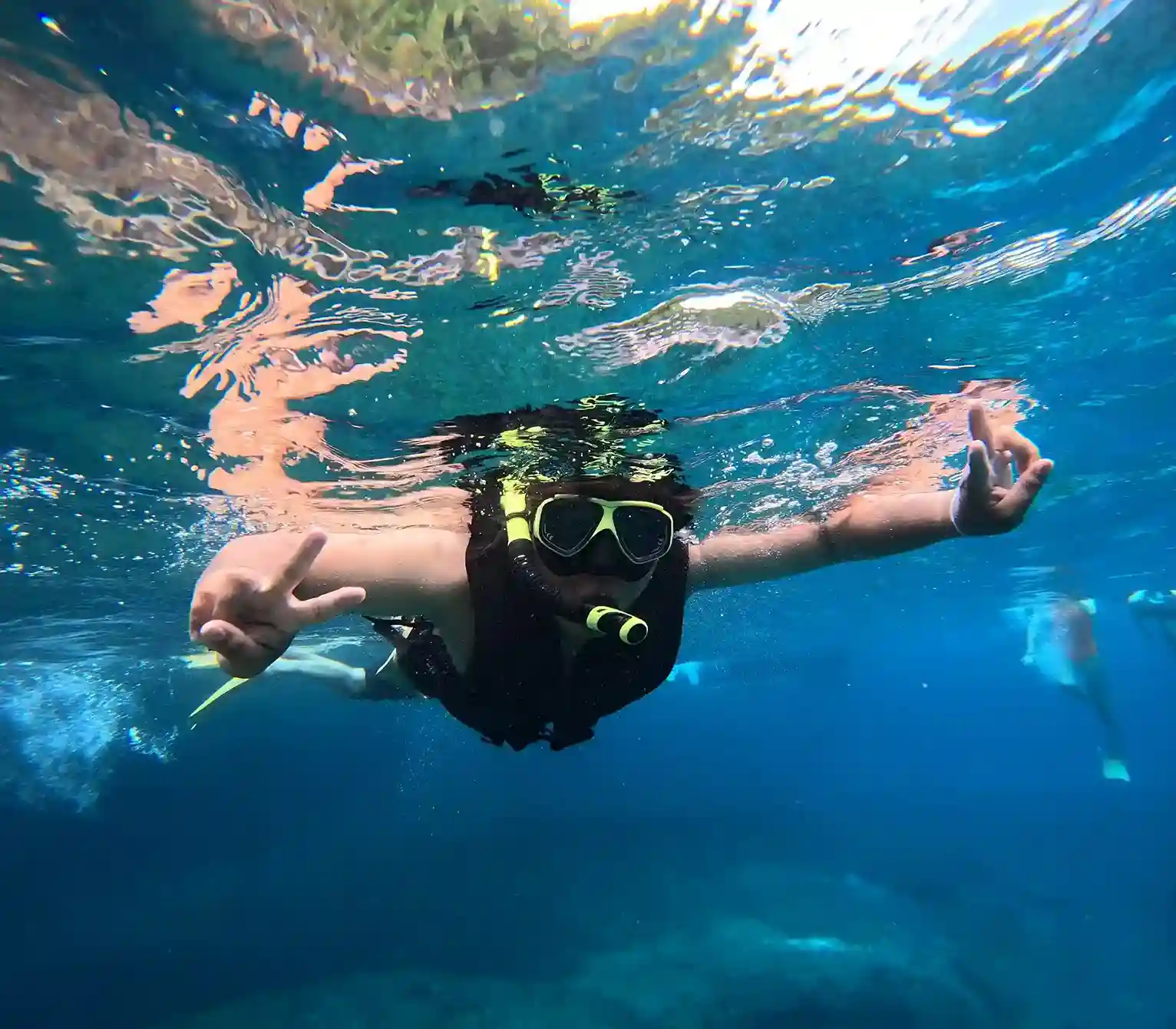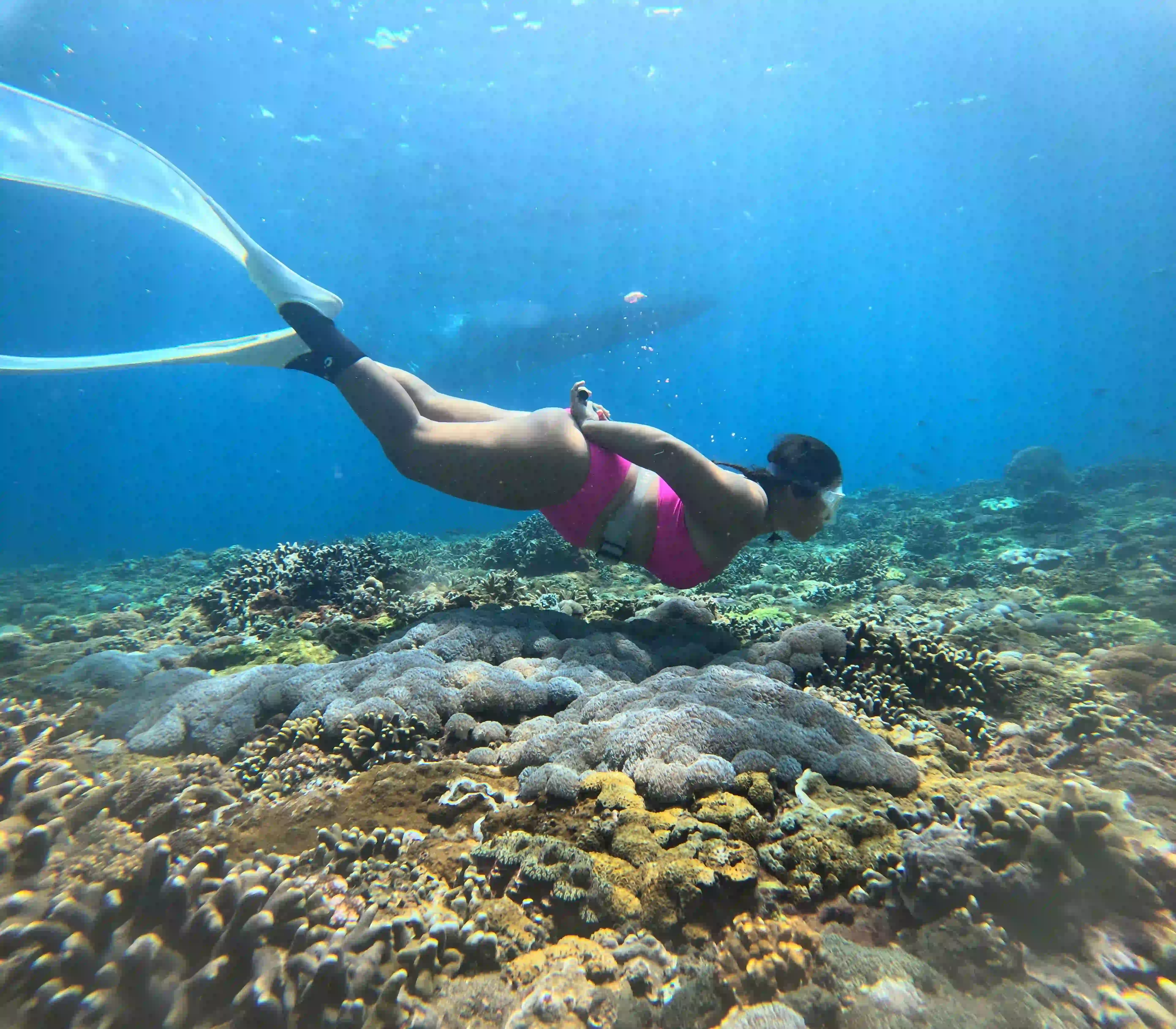
Nusa Penida has emerged as one of Southeast Asia’s most spectacular snorkeling destinations. Located just 12 kilometers southeast of Bali, this rugged island offers crystal-clear waters, dramatic coastal cliffs, and some of the most reliable manta ray encounters on Earth. But here is the truth that many first-time visitors overlook: the best time to visit Nusa Penida for snorkeling is not whenever you can fit it into your Bali itinerary.
Ocean conditions around Nusa Penida change dramatically throughout the year. The channel between Bali and Nusa Penida is influenced by deep ocean currents, seasonal winds, and tidal movements that can transform calm, glassy waters into challenging waves within hours. Understanding these patterns is the difference between a magical underwater experience and a disappointing, seasick boat ride.
This guide breaks down everything you need to know about the best time to visit Nusa Penida for snorkeling: the island’s two distinct seasons, how ocean swells affect your trip, and the fascinating rhythms of manta ray season Bali that draw underwater enthusiasts from around the world.
Nusa Penida sits in the tropical belt at 8 degrees south latitude, which means warm temperatures year-round. Daytime temperatures typically range from 29 to 35 degrees Celsius (84 to 95 degrees Fahrenheit), while nighttime temperatures hover between 25 and 30 degrees Celsius. There is no winter here in the traditional sense. Instead, the island follows a classic tropical pattern of dry and wet seasons.
The dry season runs from April through October and represents the baseline best time to visit Nusa Penida for most travelers. During these months, rainfall is minimal, humidity drops to more comfortable levels, and the skies remain predominantly clear. For snorkelers and divers, this season delivers the holy trinity of ideal conditions: calm surface water, exceptional underwater visibility, and predictable boat transfers from Sanur.
Water temperatures remain comfortably warm at around 26 to 29 degrees Celsius, though some sites particularly around Crystal Bay and Mangrove can experience cooler thermoclines dropping to 20 degrees Celsius or even 16 degrees Celsius during July and August. These cooler waters bring an unexpected bonus: the arrival of the elusive oceanic sunfish, or Mola Mola, which appears mainly between July and October.
Visibility during the dry season regularly exceeds 20 meters and can reach up to 30 meters on exceptional days. This clarity transforms your snorkeling experience, allowing you to spot manta rays from a distance and capture stunning underwater photographs without particulate interference.
The wet season from November through March brings increased rainfall, higher humidity, and more unpredictable ocean conditions to Nusa Penida. January and February represent the peak of the rainy period, with frequent afternoon downpours and occasional storms that can disrupt boat schedules.
However, the wet season is not a complete write-off for snorkeling. Morning hours often present sunny skies and calmer conditions before afternoon clouds build. Water temperatures remain pleasant, and marine life including manta rays continues to frequent the island’s cleaning stations year-round. The key challenge lies in flexibility: you need backup days and a willingness to adapt your plans based on daily weather forecasts rather than seasonal averages.
For travelers prioritizing land-based sightseeing over water activities, the wet season offers one significant advantage: far fewer tourists. Popular viewpoints like Kelingking Cliff and Diamond Beach feel dramatically different when you are not jostling for camera space with dozens of other visitors.
The waters surrounding Nusa Penida are shaped by a complex interaction of Indian Ocean swells, deep-water channels, and tidal exchanges between islands. This creates a dynamic marine environment where conditions can shift significantly not just seasonally, but hourly. For snorkelers, surface chop and underwater currents directly impact safety, comfort, and the quality of your encounter with marine life.
If your top priority is smooth water and relaxed snorkeling, aim for April through June or September to early October. These months consistently deliver the calmest sea conditions of the year. Surface chop is minimal, currents are more predictable, and the 30 to 45 minute fast boat crossing from Sanur feels steady rather than adventurous.
May deserves special mention. Local dive operators and marine researchers often note that manta ray numbers around Nusa Penida peak during this month. The combination of excellent visibility, comfortable surface conditions, and heightened manta activity makes May arguably the single best month for a snorkeling-focused trip.
September and early October offer an underrated sweet spot. The dry season’s peak crowds have thinned, prices soften, and the ocean remains calm with exceptional clarity left over from months of stable weather. For underwater photographers seeking steady water for sharp images, this period is ideal.
From December through March, the Indian Ocean generates stronger swells that roll into the Nusa Penida channel. Wave heights exceeding one meter become common, and on rough days can reach 1.5 meters or more. For context, swimming becomes officially dangerous when waves exceed one meter, and boat operators may cancel trips when conditions deteriorate.
The wet season also introduces more variable underwater visibility. Runoff from rainfall on land can introduce sediment into coastal waters, particularly at sites closer to shore. While Manta Point on the southwest coast generally maintains better visibility due to its exposed offshore position, the journey there becomes rougher and less comfortable.
One critical wet season consideration: the manta ray hiatus. Research and local observation suggest that manta ray numbers dip for a few weeks around November before the wet season fully establishes. Scientists believe this brief disappearance may relate to mating behavior, as mantas seek privacy away from their usual cleaning stations.
When travelers search for manta ray season Bali, they are usually surprised to learn the truth: manta rays are present at Nusa Penida year-round. Unlike seasonal visitors such as the Mola Mola, these majestic reef mantas have made the island’s southwest coast their permanent home. The reason is ecological, not seasonal. Nusa Penida hosts dedicated cleaning stations where smaller fish remove parasites from the mantas’ skin, making these sites an essential part of their daily routine.
The success rate for spotting manta rays at Manta Point sits at an impressive 90 to 95 percent across all months. With wingspans reaching 4 to 5 meters, reef manta rays glide effortlessly through the water, often passing just above divers and below snorkelers with graceful, unhurried movements. These are plankton feeders, completely harmless to humans, and remarkably tolerant of respectful observers.
Manta Bay offers an alternative encounter site closer to the shore of Nusa Penida, though sightings here are less predictable than at Manta Point. Some operators combine both locations in a single trip to maximize your chances. The mantas you encounter around Nusa Penida are reef manta rays, a distinct population that stays resident in this area for approximately 11 months of the year.
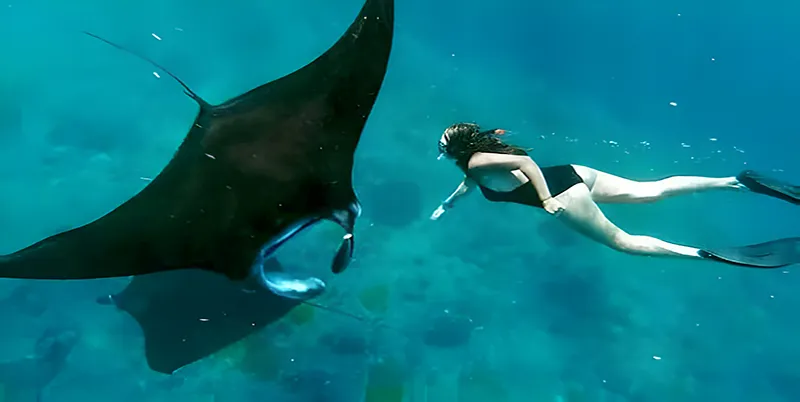
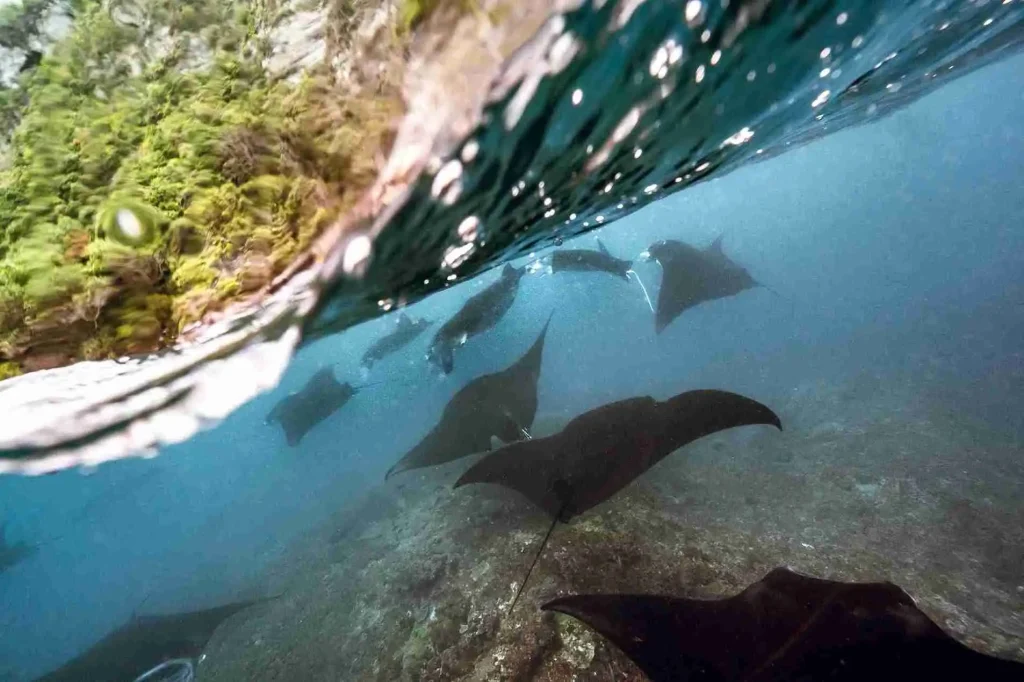
While mantas are present year-round, local dive guides consistently report that manta ray numbers peak around May. This peak coincides with the dry season’s establishment, when nutrient-rich upwellings from deep water attract concentrated plankton blooms. The cold, food-filled water rising to the surface creates a buffet that draws multiple mantas to the cleaning stations simultaneously.
The dry season months from April to October remain the most practical window for snorkeling tours. Calm seas make the boat journey comfortable, excellent visibility lets you appreciate the full scale of these gentle giants, and daily tour operations run with high reliability. During the wet season, mantas are still present, but trip cancellations due to rough seas become more frequent.
Manta Point, located on Nusa Penida’s southwest coast, is the island’s most famous cleaning station and the most reliable site for encounters. Its offshore exposure to open ocean currents means the water stays clear even when inshore sites suffer reduced visibility. The site suits both snorkelers and divers, with mantas frequently swimming at depths accessible to surface observers.
Manta Bay sits closer to shore and offers a gentler introduction for nervous snorkelers. However, because it is more sheltered, visibility can be more variable, and manta traffic is less consistent. The best strategy is to book a tour that visits both sites, giving you multiple opportunities during a single half-day trip.
The table below summarizes what snorkelers can realistically expect throughout the year at Nusa Penida. Ratings reflect a combination of sea conditions, visibility, manta ray likelihood, and overall trip reliability.
| Month | Sea Conditions | Visibility | Manta Chance | Overall |
|---|---|---|---|---|
| January | Rough | 8-15m | 75-80% | Fair |
| February | Rough | 8-15m | 75-80% | Fair |
| March | Moderate | 10-18m | 80-85% | Good |
| April | Calm | 20-28m | 85-90% | Excellent |
| May | Calm | 25-30m | 90-95% | Outstanding |
| June | Calm | 25-30m | 88-93% | Outstanding |
| July | Moderate | 20-28m | 85-90% | Excellent |
| August | Moderate | 20-28m | 85-90% | Excellent |
| September | Calm | 25-30m | 88-93% | Outstanding |
| October | Calm | 20-28m | 85-90% | Excellent |
| November | Moderate | 12-20m | 70-75% | Good |
| December | Rough | 10-18m | 75-80% | Fair |
Table 1: Monthly Snorkeling Conditions at Nusa Penida
The shoulder months of April, May, September, and October consistently score highest for overall snorkeling quality. These periods combine dry-season benefits lighter crowds, reasonable prices, and some of the most dependable marine encounters of the year. July and August remain excellent for conditions but bring the heaviest tourist traffic and highest prices.
Beyond choosing the right season, a few practical decisions can dramatically improve your Nusa Penida snorkeling experience. These recommendations come from local operators and frequent visitors who understand the subtle factors that separate an average trip from an unforgettable one.
The best time to visit Nusa Penida for snorkeling ultimately depends on your priorities. If you want the highest probability of calm seas, excellent visibility, and reliable manta ray encounters, plan your trip between April and October. Within that window, May, June, and September offer the ideal balance of superb conditions and manageable crowds.
Manta ray season Bali is technically a year-round phenomenon, but the experience itself is vastly improved by choosing dates within the dry season. A morning tour during May or September gives you the best possible chance of swimming alongside these 4-meter giants in water so clear you can see them coming from 20 meters away.
Even the wet season holds possibilities for flexible travelers willing to watch forecasts and adapt. The mantas do not disappear entirely, and the island’s quieter atmosphere creates a different kind of magic. Just bring waterproof gear, schedule buffer days, and temper your expectations for boat comfort.
No matter when you choose to visit, Nusa Penida’s underwater world delivers encounters that stay with you long after your tan fades. The combination of reliable manta rays, healthy coral reefs, and dramatic island scenery makes this one of the most rewarding snorkeling destinations in the tropics.
| Ready to Swim with Mantas? Check availability for April and secure your spot on a guided snorkeling tour to Manta Point. Spaces fill quickly during the dry season, especially for morning departures. Check availability for April |
Keep Reading
Nusa Penida has rapidly emerged as a global magnet for underwater enthusiasts. With its dramatic...
Imagine crystal-clear turquoise waters stretching endlessly beneath dramatic limestone cliffs that plunge straight into the...
Nusa Penida, one of Bali’s most breathtaking islands, draws travelers with its dramatic cliffs, pristine...