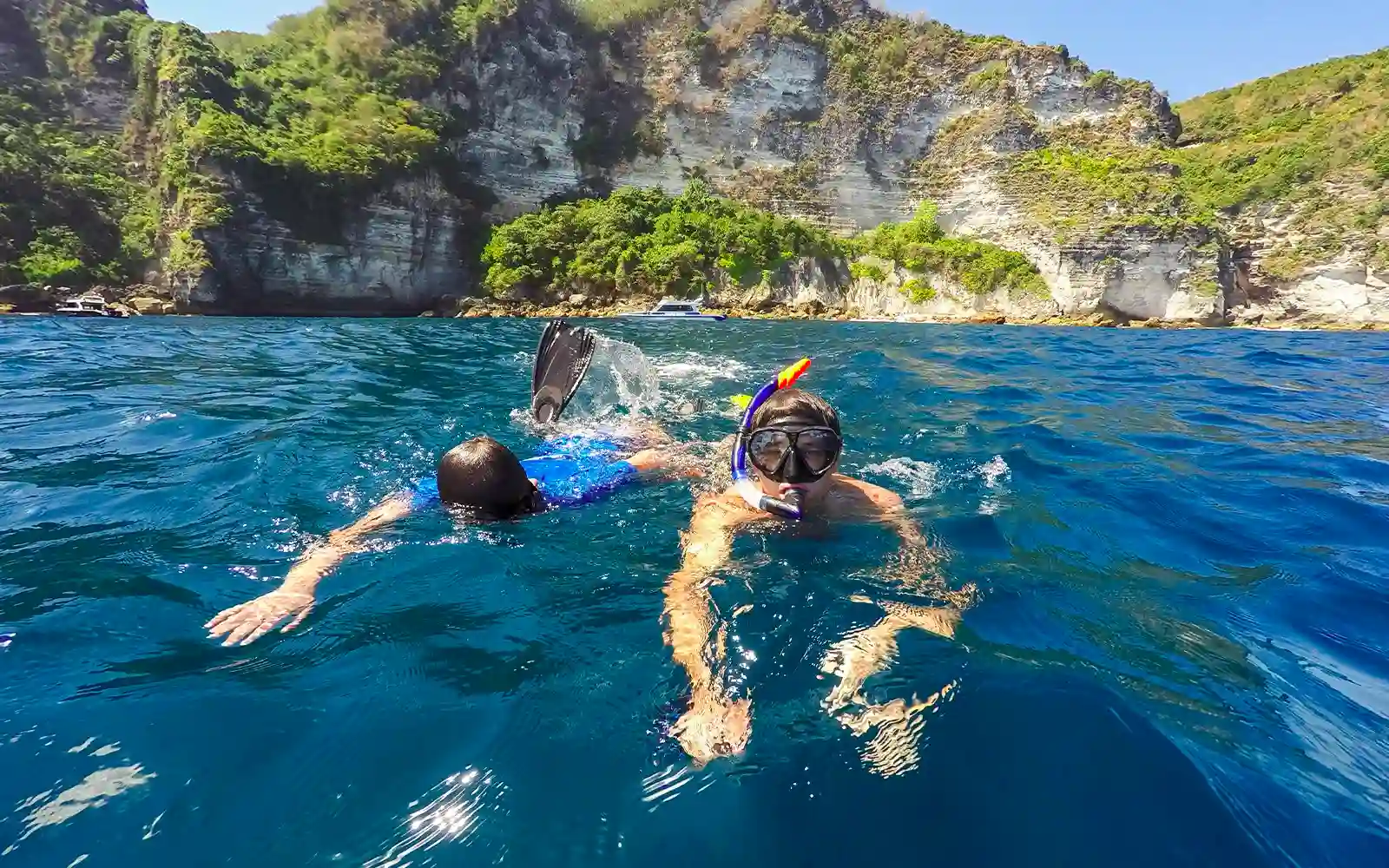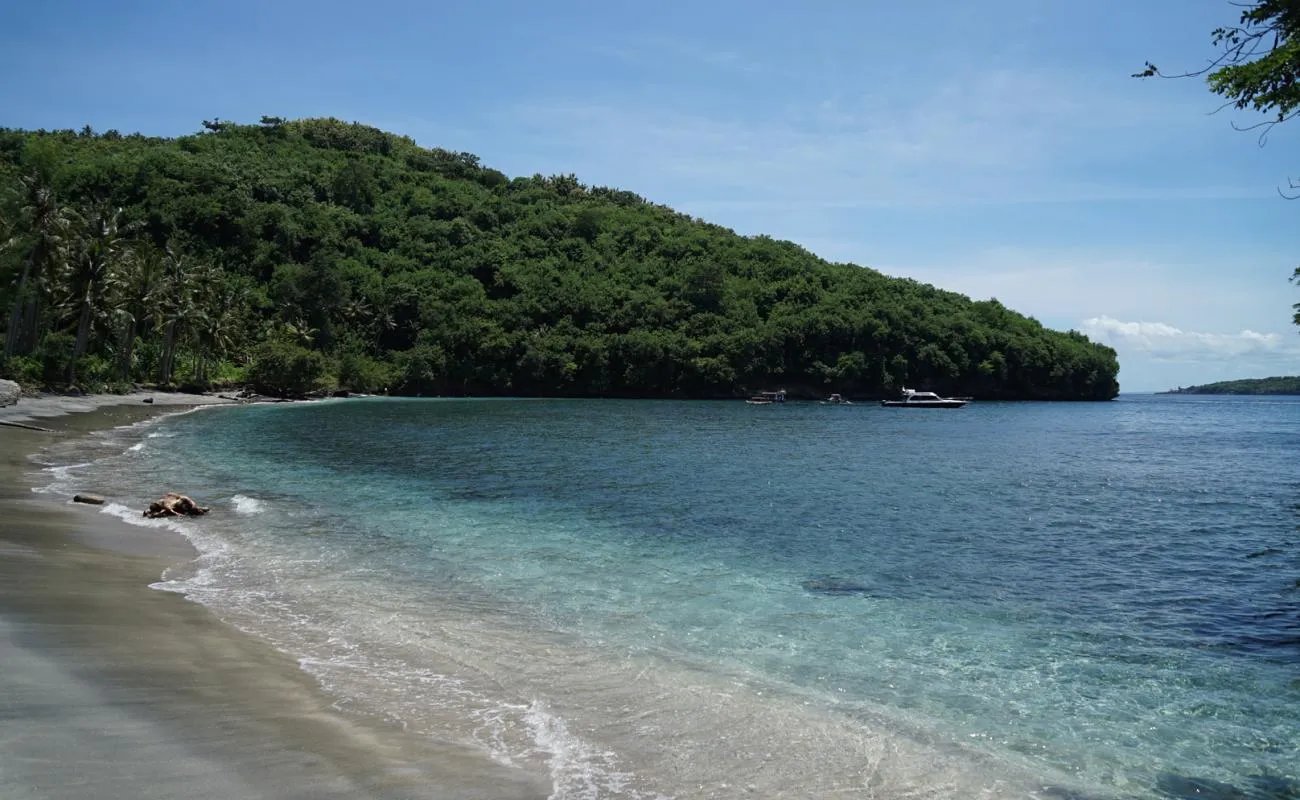
Nusa Penida, one of Bali’s most breathtaking islands, is a snorkeling paradise with dramatic cliffs, turquoise waters, and world-class marine life. Two standout spots frequently top travelers’ lists: Gamat Bay and Manta Point. If you’re searching for “Gamat Bay snorkeling Nusa Penida,” you’re likely weighing options against the iconic manta ray experiences nearby.
This in-depth comparison helps you decide based on your experience level, preferences, and what you want from your underwater adventure. Whether you’re a beginner seeking calm reefs teeming with fish and turtles or an adventurer chasing graceful giants, we’ll cover everything to reduce uncertainty and maximize your trip.
Nusa Penida’s waters are part of a protected marine area, supporting healthy coral ecosystems and diverse species. Snorkeling here often combines multiple stops in one tour, but Gamat Bay and Manta Point offer distinct experiences.
Both are highlights of west or south coast tours, but choosing (or combining) them depends on several factors.
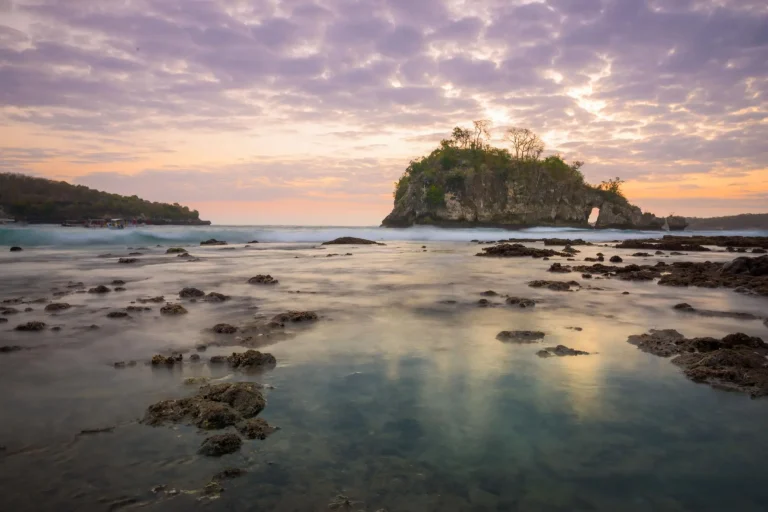
Gamat Bay (sometimes called a hidden gem) sits between Toyapakeh and Crystal Bay on Nusa Penida’s northwest coast. It’s prized for accessible, high-quality snorkeling without needing to venture far offshore.
What to Expect Underwater:
The bay’s sandy bottom and protected location make it less prone to strong currents than southern sites, though fins are essential. Many visitors call it one of the best shore snorkel spots on the island — ideal if you prefer independence or want to avoid big tour crowds.
Access and Practicalities: You can reach Gamat Bay by scooter (about 20-30 minutes from Toyapakeh Harbor, with a steep final path) or, more commonly, as part of a boat snorkeling tour. The hike down is rewarding, leading to a small, picturesque beach framed by cliffs. Rent gear locally if needed, but bring your own for comfort.
Pros of Gamat Bay:
Cons:
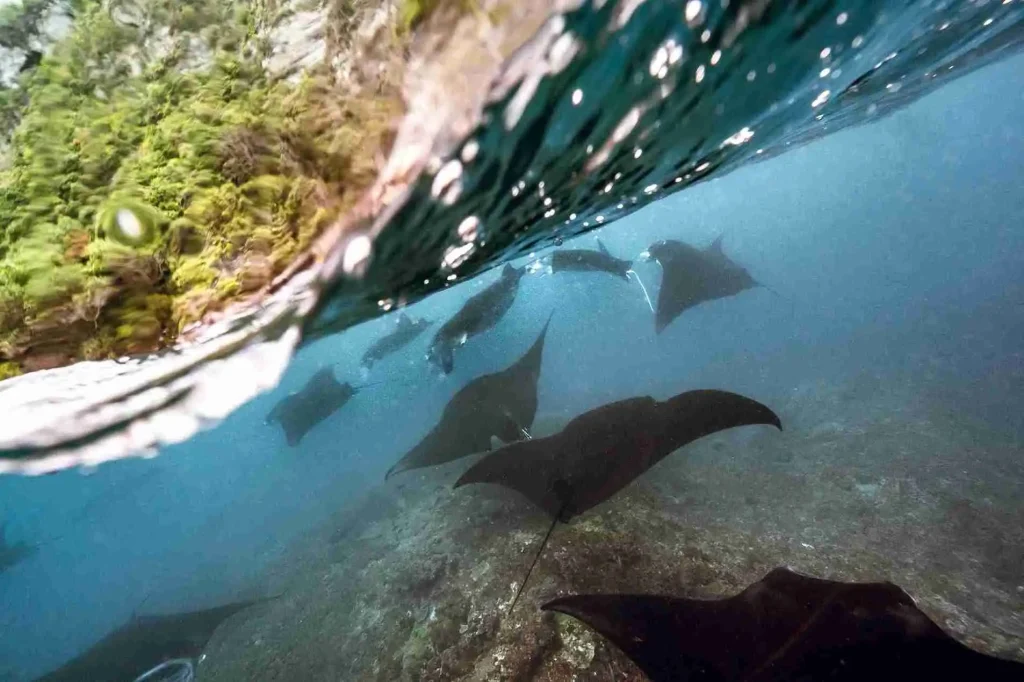
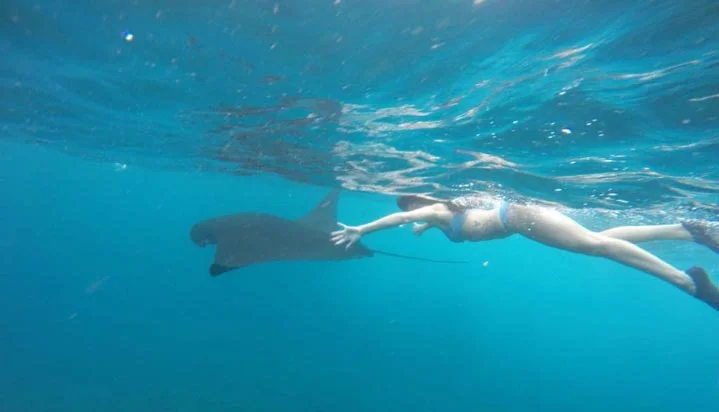
Manta Point (distinct from the sometimes-mentioned Manta Bay) is on the more exposed southwest coast. It’s a premier cleaning station where reef manta rays gather year-round to have parasites removed by smaller fish.
The Manta Experience:
This site delivers adrenaline and awe. Snorkelers can join when seas are calm, but it’s more commonly dived. Tours emphasize respectful behavior to avoid disturbing the mantas.
Access: Primarily by boat tour from Toyapakeh or other harbors. Conditions matter greatly — rough swells can cancel snorkeling here. Morning trips are often best.
Pros of Manta Point:
Cons:
| Aspect | Gamat Bay | Manta Point |
|---|---|---|
| Best For | Reef life, turtles, beginners | Manta rays, experienced snorkelers |
| Marine Life | Corals, fish schools, turtles, macro | Mantas, cleaner fish, occasional turtles |
| Conditions | Calmer, sheltered | Stronger currents, exposed |
| Difficulty | Beginner-Intermediate | Intermediate-Advanced |
| Crowds | Quieter | Can be busier (manta fame) |
| Access | Shore + boat | Mostly boat |
| Best Combined With | Crystal Bay, Wall Point | Other south coast sites |
Many tours visit both (or Gamat Bay + Manta Bay) in a 3-4 spot itinerary, giving the best of both worlds. If choosing one, prioritize based on your comfort: Gamat Bay for relaxed exploration, Manta Point for thrills.
The dry season (April-October) offers the best overall conditions: calmer seas, higher visibility, and sunny skies. Mornings are preferable for lighter winds.
Water temps are comfortable (26-29°C), but a rash guard helps against jellyfish or sun.
Ultimately, Nusa Penida delivers magic either way. Gamat Bay offers intimate reef exploration; Manta Point delivers awe-inspiring scale.
Don’t leave without experiencing at least one — or both. Book ahead during peak season, follow local guidelines, and prepare for one of Southeast Asia’s best snorkeling destinations. The waters around Nusa Penida continue to surprise and delight travelers year after year.
Have you snorkeled here? Share your Gamat Bay or Manta Point stories in the comments! For more Nusa Penida guides, check our other articles on Crystal Bay, best tours, and island itineraries.

Keep Reading
Nusa Penida, an island paradise nestled southeast of Bali, has long captivated travelers with its...
When travelers think about snorkeling in Bali, destinations like Blue Lagoon and Amed often come...
Nusa Penida, a jewel nestled off the coast of Bali, beckons adventurers and marine enthusiasts...