
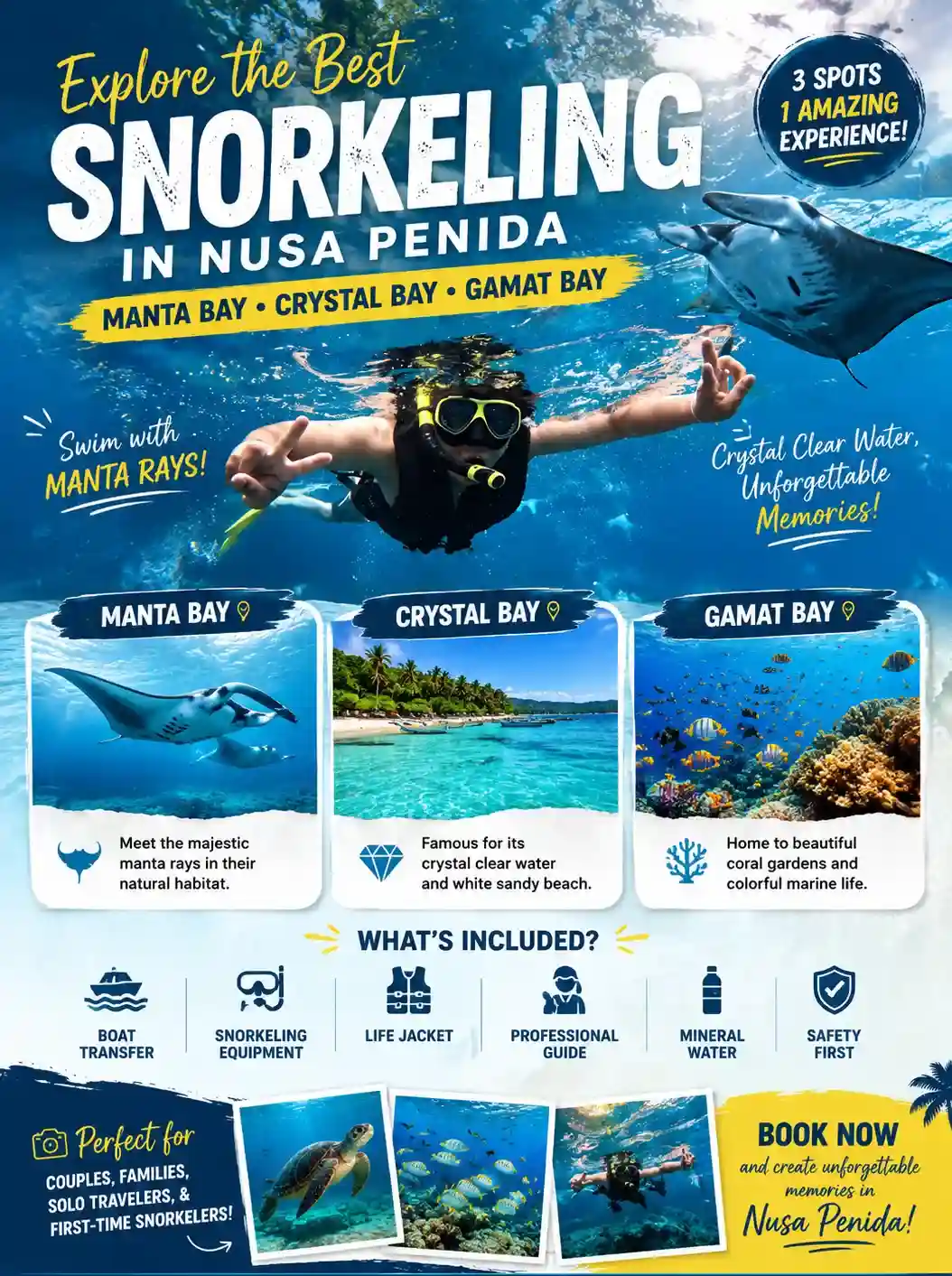
Duration: Full day, 6AM–6PM | Difficulty: Easy–Moderate | Best Season: May–October | Budget from: $45 USD
If you only have one day to escape Bali’s crowds and dive into world-class ocean life, Nusa Penida is your answer. Just 45 minutes by speedboat from Sanur, this rugged island sits in the middle of some of the richest marine biodiversity on the planet — and it remains far less visited than its fame suggests.
This isn’t just another 1 day Nusa Penida itinerary. It’s the result of dozens of visits, tide-table research, and local knowledge distilled into one perfectly timed plan. You’ll swim with manta rays, drift over technicolor coral gardens, spot sea turtles, and still be back in Bali for a sunset Negroni. Here’s exactly how to do it.
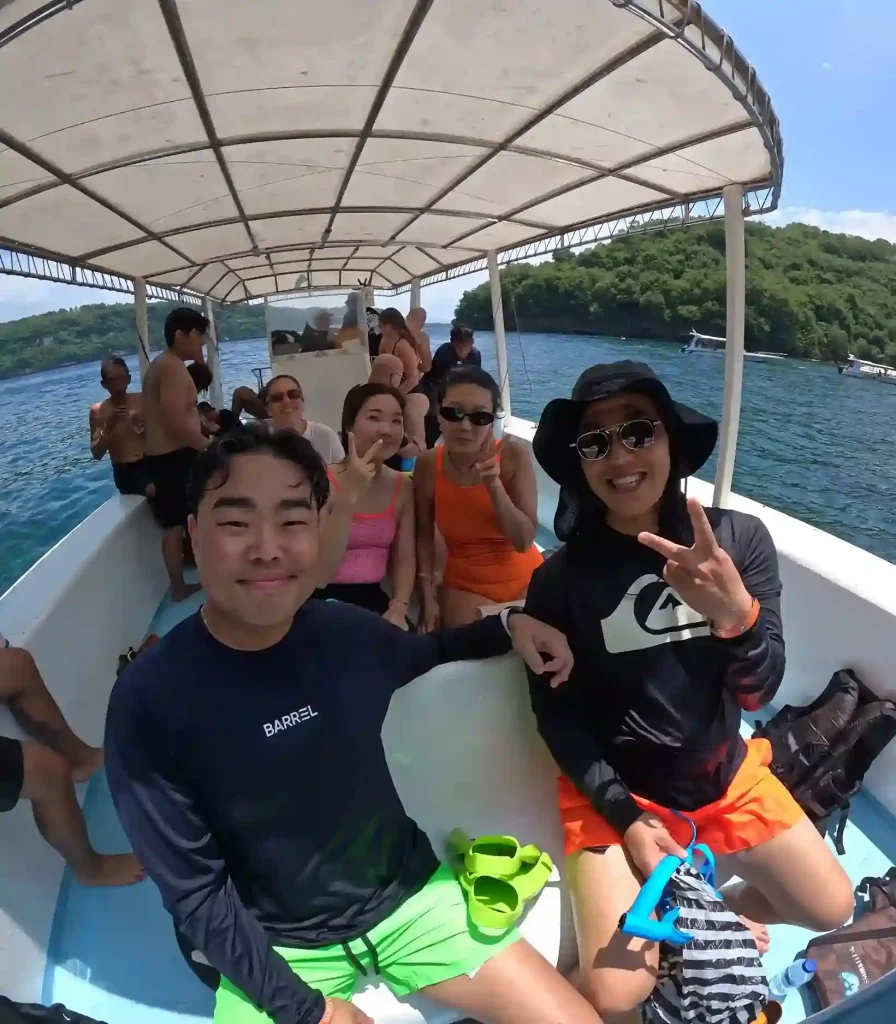
Bali’s main island beaches have become genuinely crowded. Kuta is heaving year-round. Seminyak fills up by 10AM. But cross the Lombok Strait, and you enter a different world entirely.
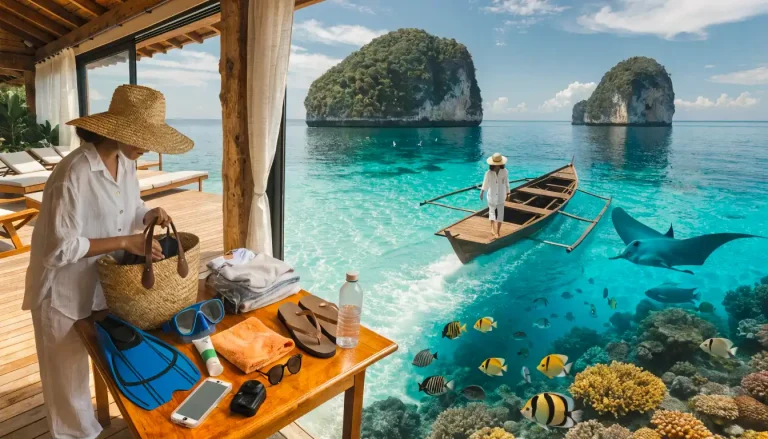
Nusa Penida is part of the Nusa Penida Marine Protected Area — over 20,000 hectares of ocean teeming with manta rays, Mola Mola (ocean sunfish), green sea turtles, white-tip reef sharks, and coral gardens that rival anything in Raja Ampat. The island itself is dramatic: limestone cliffs dropping sheer into turquoise water, hidden coves accessible only by boat, and a pace of life that feels decades removed from mainland Bali.
As a nusa penida day trip from Bali, it’s one of the best-value ocean experiences in all of Southeast Asia. International travellers — particularly from Europe and Australia — consistently rank it among the highlights of their entire Bali trip. Here’s why.
The single biggest mistake tourists make on a nusa penida day trip is leaving too late. Bali’s morning traffic — especially from Seminyak, Canggu, or Ubud — can add 90 minutes to your journey. Set your alarm, grab a coffee to go, and get moving by 5:30 AM.
Your destination is Sanur Beach Harbour (officially Jl. Hang Tuah). The harbour feels chaotic if it’s your first time: dozens of speedboat operators, hawkers, and tour reps all competing for attention. If you’ve pre-booked — which is strongly recommended — look for your tour company’s branded signage at the waterline.
Pro tips:
The crossing from Sanur to Nusa Penida’s main port at Toya Pakeh takes about 45 minutes in good conditions. It’s fast, the sea can be choppy, and at this hour the light on the water is genuinely spectacular. Most tourists sleeping in on Bali’s main island will never see this.
During dry season (May–October), conditions are typically calm and the crossing is smooth. The wet season (November–April) brings stronger swells — not impossible, but expect a rougher ride and always confirm conditions with your operator the morning before.
Pro tips:
Your first snorkel stop is Crystal Bay, and if you’re visiting between July and October, you have a chance at seeing the Mola Mola — the ocean sunfish, one of the world’s largest bony fish. These prehistoric-looking creatures rise from the cold depths to be cleaned by smaller reef fish near the surface. A sighting is genuinely life-changing.
Even without the Mola Mola, Crystal Bay delivers some of Nusa Penida’s most dramatic snorkelling. Visibility regularly exceeds 15 metres, the hard coral gardens are largely intact, and the sheer cliff walls dropping into deep blue create an otherworldly atmosphere. Water temperature sits around 26–28°C in peak season, though deep upwells occasionally drop it to a chilly 20°C.
This is why arriving early matters: the best Mola Mola visibility occurs in the very early morning before boat traffic increases and surface conditions change.
Pro tips:
This is the moment that turns a good nusa penida day trip into an unforgettable one. Manta Point sits off the island’s southwestern tip, where a shallow cleaning station on a rocky reef has made it one of the most reliable manta ray snorkel sites on Earth.
Oceanic manta rays here typically have wingspans of 3–5 metres. They glide just below the surface in slow, effortless circles as cleaner wrasse work their skin. You float face-down and watch. Most days, you’ll count five to fifteen mantas. On exceptional days in August and September, the number can exceed thirty. The year-round sighting rate on organised tours is consistently above 95%.
There is nothing quite like a 4-metre manta ray gliding directly underneath you, close enough to touch (though you absolutely should not). It’s one of those wildlife experiences that rewires your sense of scale.
Pro tips:
After two intense snorkel sites, you’ll be hungry. Most organised day tours stop at a small cluster of warungs (local family restaurants) near Ped Beach or Toya Pakeh village. This isn’t fine dining — it’s simple grilled fish, nasi campur, fresh coconut, and cold Bintang beer. It’s also genuinely delicious.
This is one of the rare moments in the day when you’re off the boat and on solid ground. Use it to explore briefly on foot, reapply sunscreen, and rest. At the equator, even on overcast days, UV radiation is intense. Many tourists underestimate this and arrive back in Bali visibly sunburned.
Pro tips:
If Crystal Bay is dramatic and Manta Point is awe-inspiring, Gamat Bay is simply beautiful. This sheltered cove has some of the most vibrant hard and soft corals in the Marine Protected Area, with excellent visibility on calm days. More importantly, green sea turtles regularly frequent this bay to feed on seagrass and rest beneath overhangs.
This is typically a gentler site with lighter currents — ideal if anyone in your group is less confident in open water. Children and beginner snorkellers find Gamat Bay very accessible. The density of reef fish is extraordinary: surgeonfish, parrotfish, hawksbill turtles, and schools of fusiliers moving in coordinated waves.
Pro tips:
You’ve seen it on Instagram thousands of times: the T-Rex shaped limestone cliff plunging into translucent turquoise water. The view genuinely matches the photographs, which is not always true of famous viewpoints.
For a 1 day Nusa Penida itinerary focused on snorkelling, Kelingking is best as a 20-minute viewpoint stop rather than the full descent to the beach (which takes 45 minutes each way and is genuinely treacherous without proper footwear). The rim viewpoint alone is spectacular and takes only 10 minutes on foot from the car park.
Pro tips:
Last boat departures from Toya Pakeh are typically 4:00–5:00 PM. Boarding the return boat with the afternoon sun behind Nusa Penida’s ridgeline and Bali’s volcanoes ahead of you — Agung and Abang both usually clear in the late afternoon light — is a quietly spectacular end to the day.
You’ll arrive back at Sanur around 4:45–5:45 PM depending on conditions. If you’re staying in Seminyak or Canggu, aim for an earlier return boat to avoid coinciding with Bali’s late afternoon traffic.
Pro tips:
1. Crystal Bay — Deep wall dives, 15m+ visibility, and seasonal Mola Mola sightings (July–October). The most dramatic scenery of any site on the island.
2. Manta Point — The world’s most reliable manta ray cleaning station. Year-round sightings, wingspans up to 5 metres. The headline act of any nusa penida day trip.
3. Gamat Bay — Vibrant coral gardens, green sea turtles, and gentler currents. Excellent for all skill levels including beginners and children.
4. SD Point — Named after the elementary school on the cliff above. A macro photography haven — nudibranchs, pipefish, moray eels, and ghost pipefish hide in the crevices.
Getting there: Speedboats depart from Sanur Harbour daily, typically 6:30–8:00 AM. Journey time is 30–45 minutes. Boats also depart from Padang Bai (60 minutes) for travellers coming from Ubud or Lombok.
Best time to visit: May–October for calm seas and strong visibility. July–October specifically for Mola Mola season. November–April is possible but expect rougher crossings and reduced underwater visibility.
Costs: Budget $45–75 USD per person including boat, guide, snorkel gear, and lunch. Avoid the cheapest options — safety standards and group size vary significantly, and this matters when you’re snorkelling in strong currents.
Safety: Always snorkel with a certified guide. Currents around Nusa Penida are powerful and unpredictable. Life jackets should be worn by all non-expert swimmers in open water. No exceptions.
Conservation: Nusa Penida is a Marine Protected Area. No touching coral or marine life under any circumstances. Reef-safe sunscreen only. Some operators charge a small conservation levy — pay it without hesitation.
Solo travellers: Nusa Penida day trips are extremely common for solo visitors. The guided group format means you’re always with others. Solo female travellers regularly report feeling completely comfortable throughout the experience.
Can I do a Nusa Penida day trip from Ubud? Yes, though it requires an early start. Ubud to Padang Bai takes about 1.5 hours by car. Boats from Padang Bai take around 60 minutes to reach Nusa Penida. Leaving Ubud by 4:30 AM is realistic for a 6:30 AM boat departure.
Do I need to be a strong swimmer? Basic swimming ability is sufficient for most sites, especially with a life jacket. Manta Point is shallow enough to float comfortably. Crystal Bay has stronger currents — novice swimmers should stay close to the guide. Children aged 8 and above can typically participate with proper supervision.
Are manta ray sightings guaranteed? No operator can legally guarantee wildlife sightings, but the consistency at Manta Point is extraordinary — recorded on over 95% of visits year-round, with peak concentrations in July–October. A reputable operator will often offer a return visit if you don’t see mantas.
How far in advance should I book? For June–August travel, book at least 2 weeks in advance. Quality tours with small groups sell out first. For May and September–October, 3–5 days is usually sufficient.
Is a 1 day Nusa Penida itinerary enough? For snorkelling, absolutely yes — you can cover the best marine sites in a single well-planned day. For those who also want to explore the island’s land attractions (Atuh Beach, Thousand Islands viewpoint, Diamond Beach), an overnight stay gives you more flexibility. But for a day trip focused on the ocean, one day is perfect.

Stop piecing this together yourself and risk showing up at the wrong harbour, paying for a crowded low-quality boat, or missing the best tide windows for manta rays.
→ Book This Exact Itinerary and get a curated full-day experience with expert local guides, small groups, reef-safe practices, and all the best sites timed perfectly to the tides.
Daily departures from Sanur · Small groups only · Snorkel gear included · Marine Protected Area certified
Keep Reading
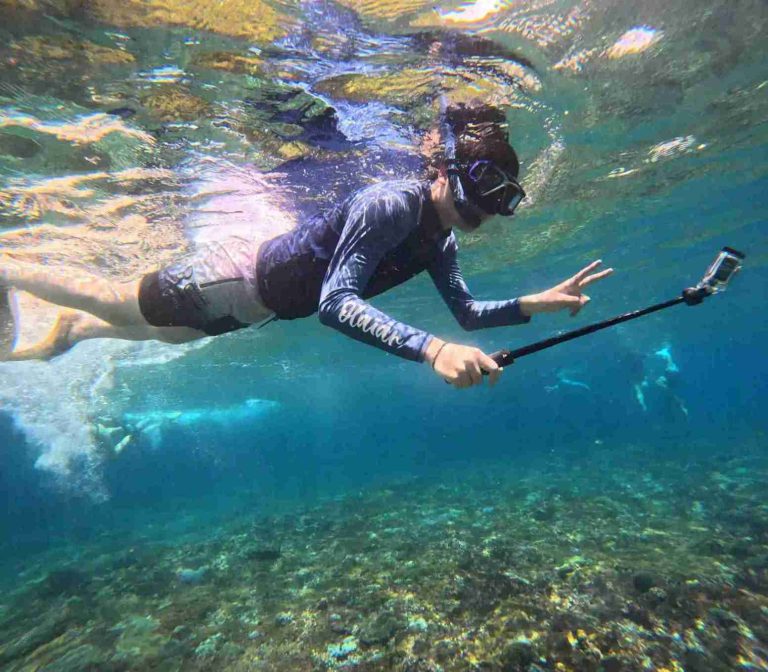
If you’re planning a snorkeling adventure in Bali, you’ve probably found yourself stuck on the...
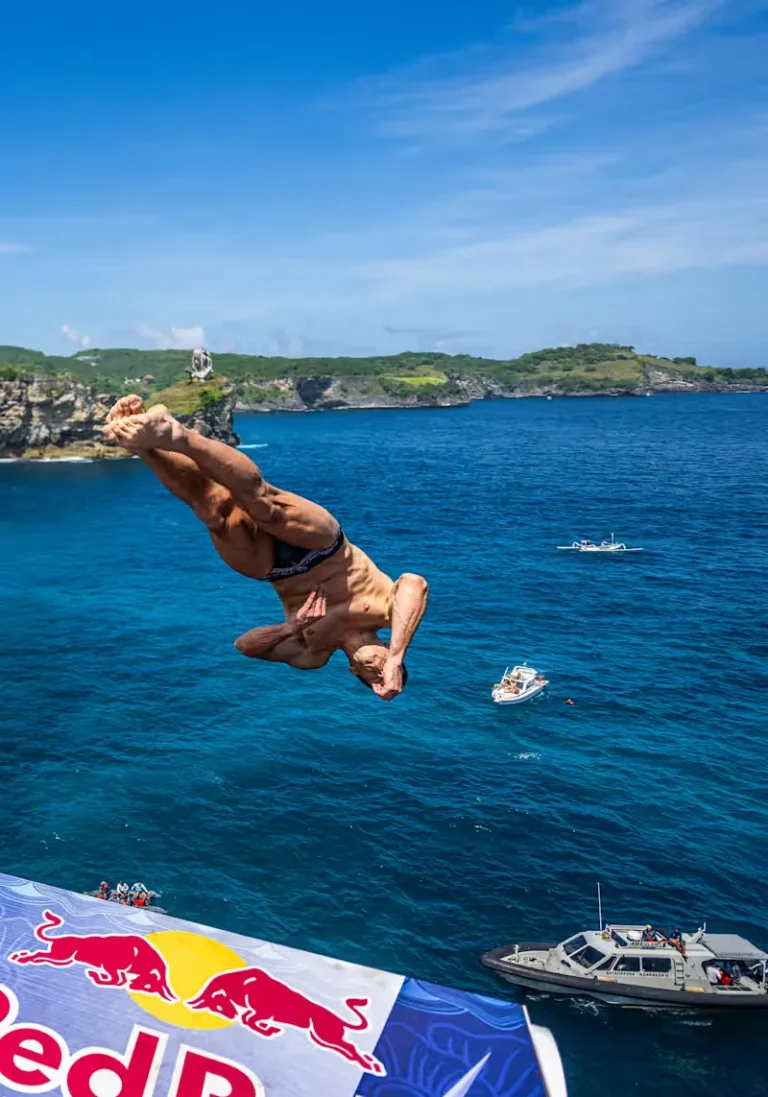
Imagine standing on a jagged limestone cliff 27 meters above the crashing Indian Ocean. Your...
Nusa Penida has rapidly emerged as a global magnet for underwater enthusiasts. With its dramatic...
